The recording utilized a single-microphone technique, common at the time, to achieve transparency and depth in the highly reverberant 'Steinsaal' (stone hall) of the Hygiene Museum.
Recording & Production
Magnetic tape was a precious commodity, and some archive recordings had to be made on previously used, erased, or even older wartime tapes.
Historical Context
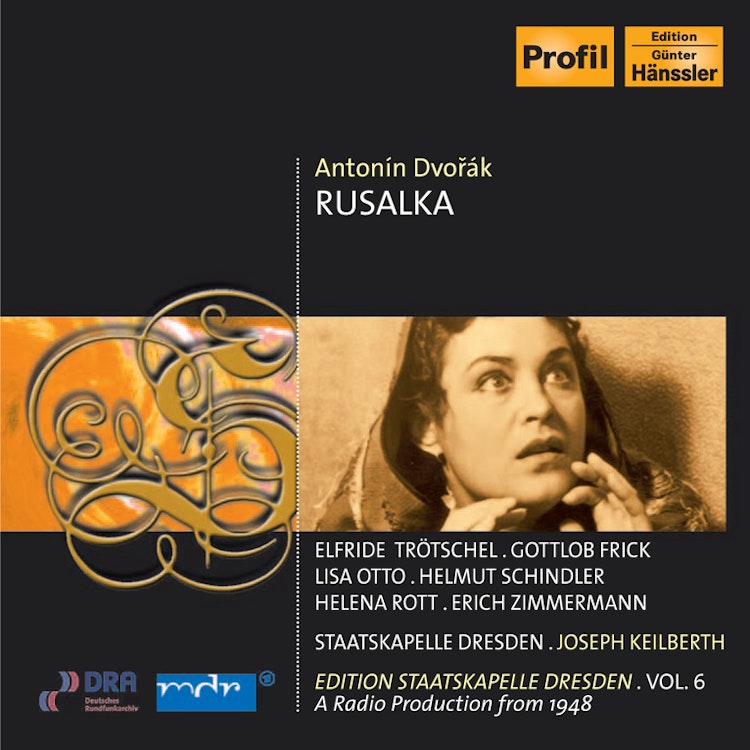
This 1948 recording of Dvořák's opera Rusalka was made in Dresden, Germany, just three years after the end of World War II, amidst widespread destruction and scarcity.
Recording & Production
The original tapes for this recording were substandard due to post-war changes in magnetic tape production and standardization issues between German and American measurement systems.
Notable Performances
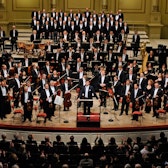
This 1948 Dresden performance, conducted by Joseph Keilberth with Elfride Trötschel as Rusalka, was crucial in drawing attention to Dvořák's opera after decades of neglect in Germany.
Recording & Production
The recording was made in the provisional studios of the Dresden radio station, set up in the undamaged wing of the German Hygiene Museum, as other halls in Dresden had been destroyed.
Recording & Production
Due to the unheated studio and frequent power cuts, the musicians performed under challenging conditions, with the harp even going slightly out of tune during the recording.