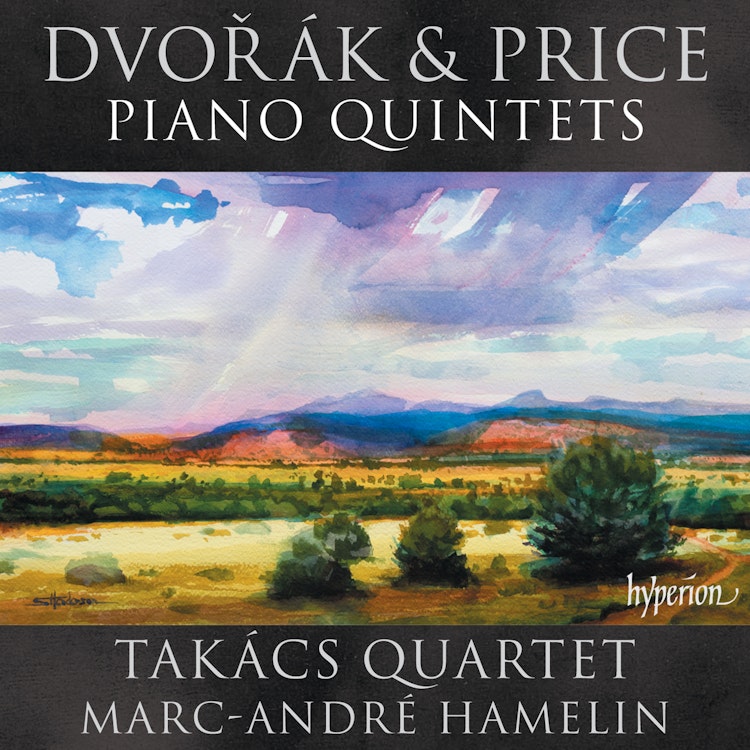
Florence Price's piano quintet features a 'juba' movement, a dance with syncopated rhythms originally accompanied by stomping and slapping, primarily associated with enslaved plantation workers.
Compositional Technique
Dvořák's slow movement is a 'dumka', a form of Ukrainian folk music, characterized by strong changes in mood, alternating melancholy melodies with episodes of cheerfulness.
Composition History
Dvořák composed two piano quintets in A major, but he was dissatisfied with his first one and composed an entirely new Quintet Op. 81 in 1887, which became his most popular chamber work with piano.
Composer's Artistic Vision
Dvořák believed that American composers should study the music of African- and Native Americans, considering these folk songs essential for a great and noble school of music.
Composer Biography
Dvořák spent three years in the United States as Director of the National Conservatory of Music in New York, absorbing indigenous music and advocating for American composers to study African- and Native American melodies.
Composition History
A large cache of Florence Price's unpublished manuscripts, including the piano quintet recorded here, was discovered in 2009 in the attic of an abandoned house, more than fifty years after her death.
Composer Biography
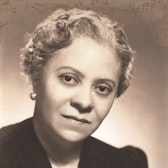
Florence Price, a black American composer, was the first black woman to have a large-scale work played by an American orchestra, with her Symphony in E minor performed by the Chicago Symphony in 1933.
You might also enjoy...
Bartók & Korngold: Piano Quintets
Catoire & Friedman: Piano Quintets
Saint-Saëns & Farrenc: Romantic Dreams
Gernsheim: The Piano Quintets
Fauré: Piano Quintets Nos. 1 & 2
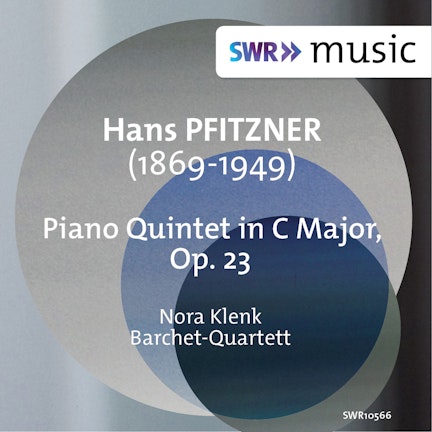
Pfitzner: Piano Quintet in C Major, Op. 23
Berwald: Piano Quintets
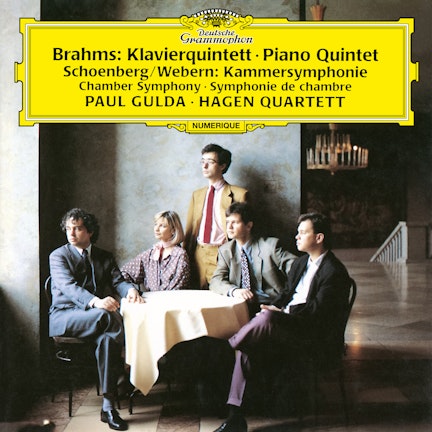
Brahms: Piano Quintet in F Minor, Op. 34 / Schoenberg: Chamber Symphony No. 1, Op. 9