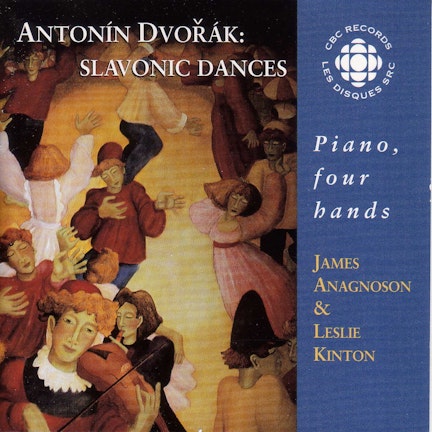
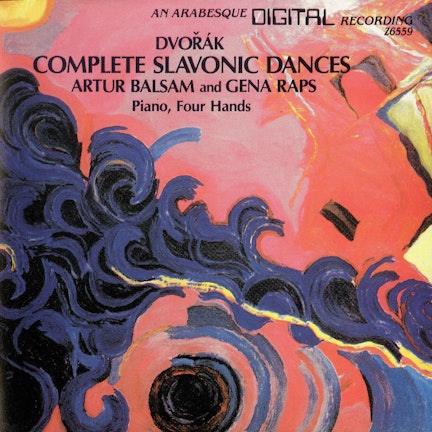
Antonín Dvořák, along with Bedrich Smetana, was a leading figure in the revival of Czech music at the end of the 19th century.
Recording & Production
This album was recorded live at La Folle Journée de Nantes festival in 2007, an event focused on 'The Harmony of Peoples'.
Critical Reception
The Slavonic Dances became so popular that Dvořák expressed irritation at the end of his life, feeling they overshadowed the rest of his compositions.
Composer's Artistic Vision
Dvořák was deeply passionate about his native Bohemia and its popular music, having been immersed in its folklore since his youth.
Composition History
The Slavonic Dances were commissioned by the German publisher Simrock, who wanted Dvořák to create a 'Slavic double' to Brahms's successful Hungarian Dances.
Compositional Technique
In the Slavonic Dances, Dvořák did not quote existing folk melodies but instead created original music inspired by characteristic folk rhythms, making them sound more authentic than actual folk music.
Composition History
Dvořák began composing the first set of Slavonic Dances (Op. 46) on March 18, 1878, shortly after the recent death of three of his young children.