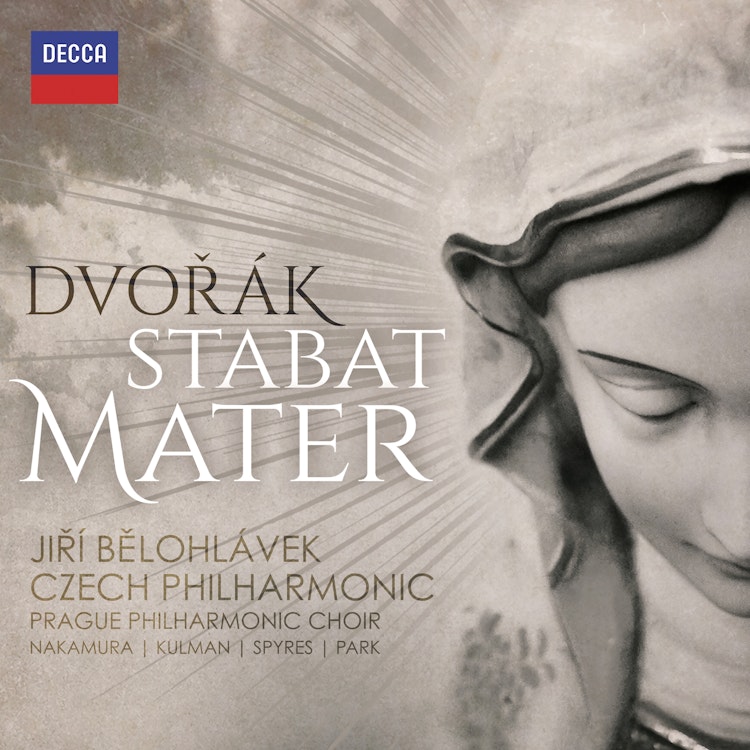
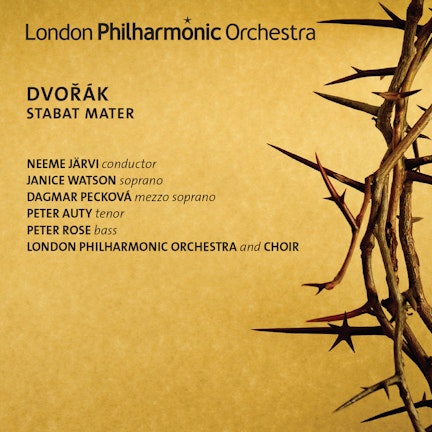
Dvořák's Stabat Mater reflects his deep personal faith, which remained largely untouched by the secularizing trends of the 19th century.
Composition History
Dvořák began sketching his Stabat Mater in 1876, possibly to commemorate the death of his infant daughter Josefa, and completed the orchestration in 1877 after further family tragedies.
Composer's Artistic Vision
Dvořák's Stabat Mater, despite its Latin text, embodies a 'Czech' mystical sentiment, blending monumentalism with a tender, pantheistic vision of human suffering.
Compositional Technique
The Stabat Mater's orchestral scoring is expanded beyond the standard 19th-century setup, notably with the inclusion of English horn, tuba, and organ in specific movements.
Compositional Technique
Dvořák's Stabat Mater is the longest setting of this medieval liturgical text by any major composer.
Notable Performances
The Stabat Mater's highly successful London premiere in 1883, with larger forces, significantly boosted Dvořák's international reputation.