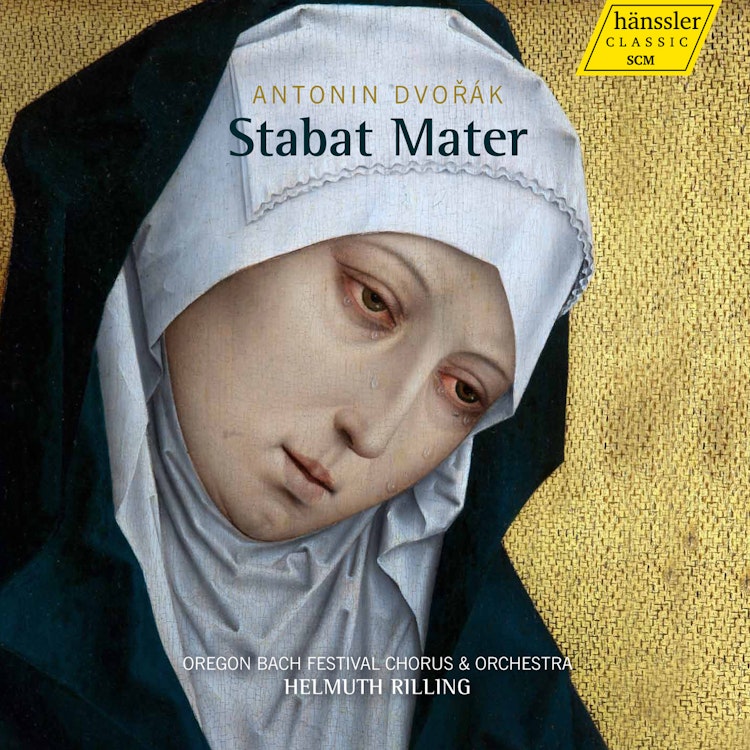
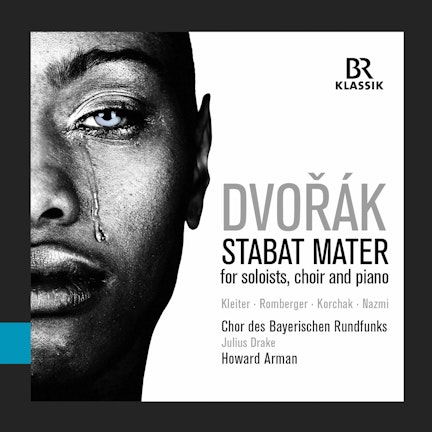
The Stabat Mater was instrumental in establishing Dvořák's international reputation after its premiere in 1880, with enthusiastic receptions in Europe, Great Britain, and the USA.
Cultural Impact
Dvořák's Stabat Mater became so popular in Great Britain that an edition with a Protestantized English text was released.
Compositional Technique
Dvořák structured the Stabat Mater with an arch-like pattern of alternating choruses, solos, and ensembles, ignoring the text's poetic structure to create his own dramatic midpoint.
Notable Performances
At the English premiere of Stabat Mater in 1883, the audience's response was so enthusiastic that Dvořák was invited to conduct the work himself the following season.
Composition History
Dvořák began sketching his Stabat Mater in 1876 after the death of his infant daughter Josefa, and completed it in 1877 following the deaths of two more of his children.
Performer Biography
Helmuth Rilling, the conductor on this album, founded the Oregon Bach Festival in 1970 and the International Bachakademie Stuttgart in 1981 to provide advanced education for young musicians.
Composer's Artistic Vision
Dvořák's Stabat Mater is noted for its serenity and lack of bitterness, despite being composed during a period of profound personal grief for the composer.