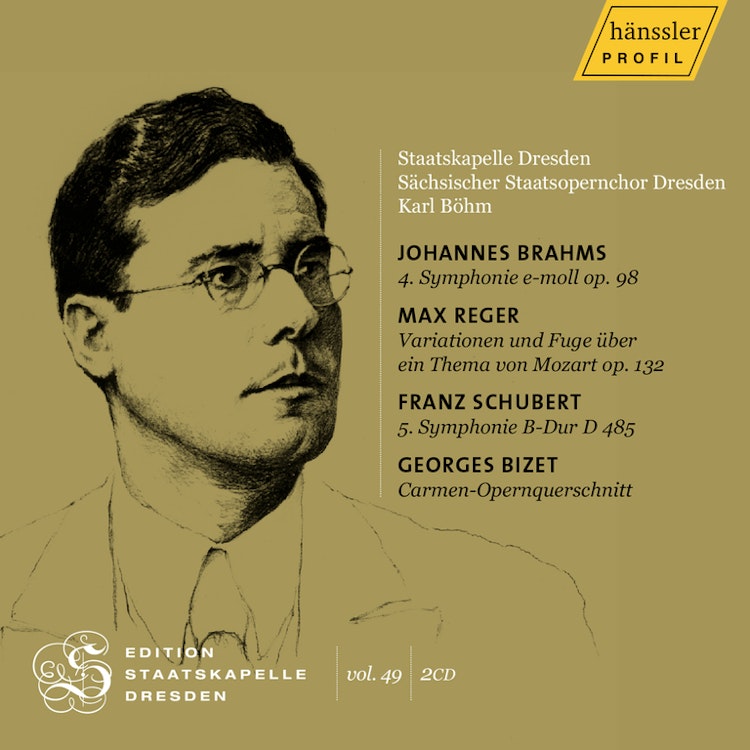
Karl Böhm, the conductor, considered his nine years leading the Dresden Staatskapelle (1934-1943) to be the "most wonderful and meaningful time of his life."
Recording & Production
By 1942, recording technology had advanced from wax discs with four-minute segments to magnetic tape, offering unlimited recording time and eliminating the need for arduous portioning of takes.
Recording & Production
Karl Böhm, the conductor, recounts an anecdote where a flautist played two extra notes, and his Austrian exclamation of frustration was partially cut off the recording.
Historical Context
The recording of Brahms's Symphony No. 4 in June 1939 was released during wartime in autumn 1939, leading to its replacement of an 'enemy product' recording by the London Symphony Orchestra.
Critical Reception
Max Reger's Mozart Variations, recorded by Karl Böhm and the Dresden Staatskapelle, were hailed in 1937 as a "huge step forwards" for Reger's global recognition.
Recording & Production
In the 1930s, gramophone recordings required absolutely flawless performances for 3-4 minutes per side, as no later corrections were possible.
Historical Context
Beethoven's Ninth Symphony was recorded by the Dresden Staatskapelle in May/June 1941, during the second year of World War II, just weeks before Germany invaded the Soviet Union.
You might also enjoy...
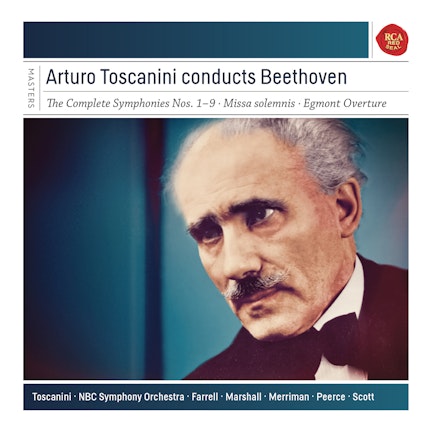
Arturo Toscanini Conducts Beethoven
Serge Koussevitzky : Great Conductors of the 20th Century
Beethoven: Symphony No. 3 in E-Flat Major, Op. 55 "Eroica" & Symphony No. 1 in C Major, Op. 21
Beethoven: Orchestral Works (Live)
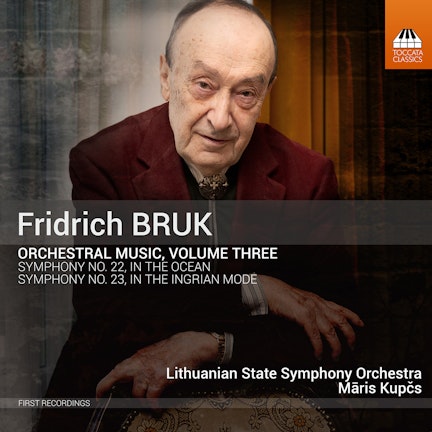
Fridrich Bruk: Orchestral Music, Vol. 3
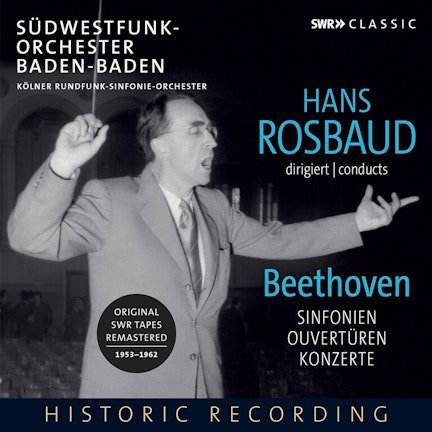
Beethoven: Orchestral Works
Beethoven: Symphonies 1-9
Beethoven: Symphonies 1-9
Beethoven: Symphony No. 7 in A Major, Op. 92, Symphony No. 2 in D Major, Op. 36 & Egmont Overture, Op. 84