This recording was made in May and September-October 2016 at the Jesus-Christus-Kirche in Berlin-Dahlem.
Historical Context
This album commemorates the 200th anniversary of the Augsburg Confession, a key event in the Reformation, which was celebrated with great effort in 1730.
Critical Reception
Telemann profited from the 1730 festival by charging admission for repeat performances of his music and then publishing the pieces in several editions.
Compositional Technique
The E minor Sonata TWV 42:e7, featured on this album, includes a unison theme in 'Polish and Hanakian [Moravian] style' that is transformed into elaborate counterpoint.
Composition History
Telemann faced significant challenges for the 1730 celebrations, including rehearsing with over a hundred musicians while recovering from an illness.
Composition History
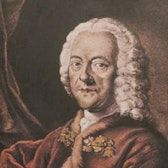
Georg Philipp Telemann, the Hamburg music director, dedicated two cantatas to the city council on December 19, 1730, which he had performed earlier that year to mark the Augsburg Confession anniversary.
Composer's Artistic Vision
Telemann responded to the 'pugnacious tone' of Martin Luther's chorale 'Ein feste Burg ist unser Gott' by imbuing his 1730 festive cantatas with the 'tender sound of galant style'.
You might also enjoy...
Handel 'Oxford' Water Music
Telemann: Banquet Music in three Parts
Telemann: Tafelmusik
Bach: The Essentials
Bach: Sanguineus & Melancholicus
The Essentials of Café Zimmermann
The Italian Connection: Vivaldi; Corelli; Geminiani; Lonati; Veracini; Matteis