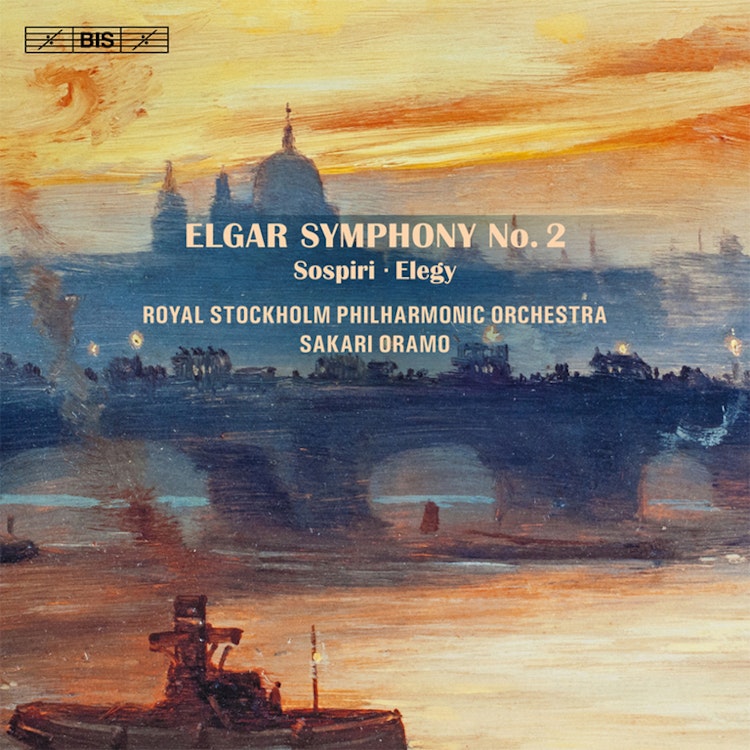
Elgar was a self-taught composer, and his sketches often include self-appraisals like 'good' or 'bad', or even 'I hate this diminished seventh'.
Critical Reception
The Second Symphony's 1911 premiere was not met with the same acclaim as his First Symphony; Elgar described the audience as 'a lot of stuffed pigs'.
Composer's Artistic Vision
Elgar prefaced the score with a quote from Percy Shelley's poem 'Invocation': 'Rarely, rarely, comest thou, Spirit of Delight!', though he noted the music does not fully illustrate the poem.
Performer Biography
Sakari Oramo, the conductor on this album, began his career as a violinist and was leader of the Finnish Radio Symphony Orchestra before becoming a conductor.
Composition History
Elgar's Second Symphony was dedicated to the memory of King Edward VII, who died suddenly in May 1910, though the slow movement was conceived before his death.
Compositional Technique
Elgar explained a violent passage in the rondo movement by asking the orchestra to imagine 'a man in a high fever' with 'dreadful beating that goes on in the brain'.
Historical Context
The symphony reflects the social tensions in Britain around 1911, including calls for Irish Home Rule, women's suffrage, industrial unrest, and constitutional crises.
You might also enjoy...
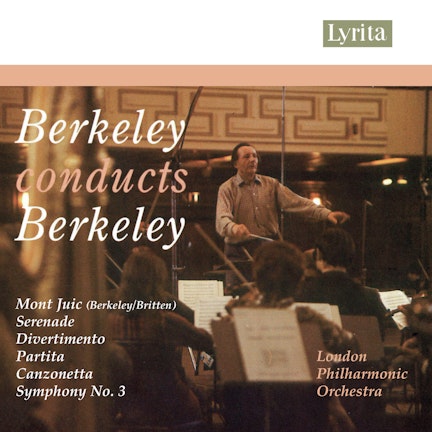
Sir Lennox Berkeley
Vaughan Williams: A London Symphony & Norfolk Rhapsody No. 1 & Fantasia On A Theme By Thomas Tallis
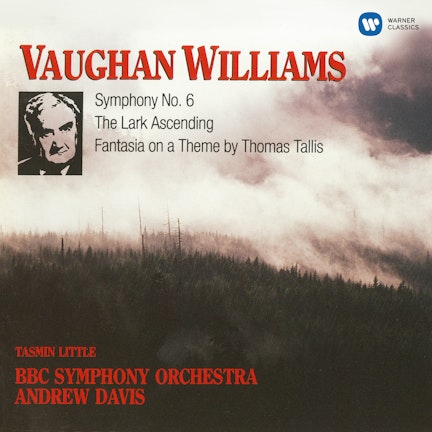
Vaughan Williams: Symphony No. 6, "The Lark Ascending", Fantasia On A Theme By Thomas Tallis, Fantasia on Greensleeves, The Wasps-Overture
Adès: Asyla, Tevot, Polaris
Vaughan Williams: Orchestral Works - Elgar: Cello Concerto in E Minor, Op. 85