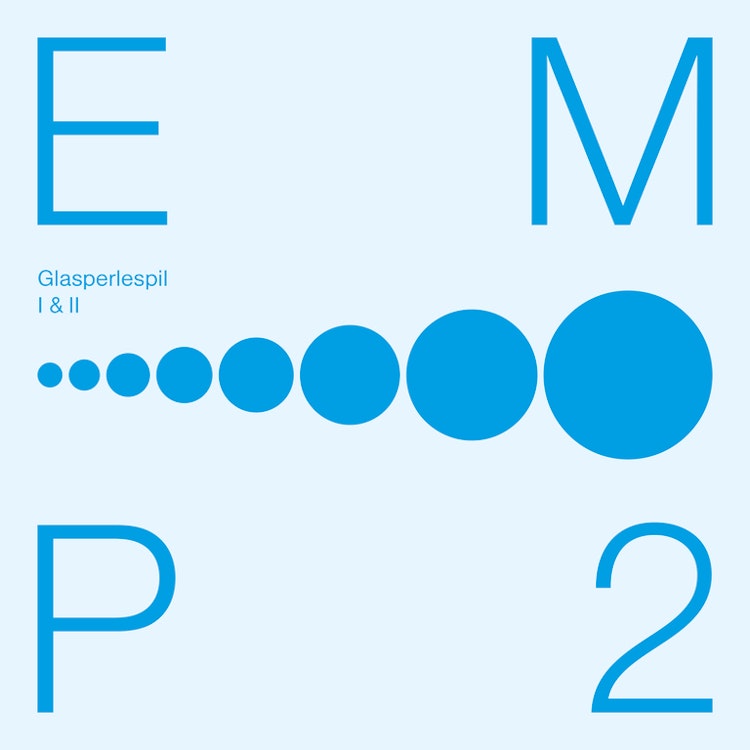
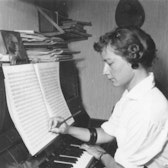
Pade applied the principle of a glass bead game toy to her music, using twelve 12-tone rows with 12 tones each, varying them in different combinations.
Notable Performances
Glasperlespil I and II were first performed on May 31, 1960, as part of the program 'Vor tids musik' (Music of Our Time) on Danmarks Radio P2.
Composer's Artistic Vision
Else Marie Pade aimed to create musical patterns, similar to the visual patterns she made with her glass bead game toy, especially with glass-like electronic sounds.
Critical Reception
Karlheinz Stockhausen, an important electronic music composer, requested a tape copy of Glasperlespil II after hearing it in 1961 and used it in his teaching.
Composer Biography
Else Marie Pade was imprisoned in Frøslev prison camp in 1944 for her involvement in the Danish wartime resistance, where she composed several songs.
Composition History
Else Marie Pade's works Glasperlespil I and II were inspired by Hermann Hesse's novel The Glass Bead Game and a childhood toy glass bead game.
Composer Biography
Else Marie Pade's career in electronic music was decisively shaped by her visit to Pierre Schaeffer, a pioneer of musique concrète, in Paris.
You might also enjoy...
Classic Percussion
Marimba
Music for Piano with Slow Sweep Pure Wave Oscillators XL
Garland: The Basketweave Elegies
American Music for Marimba
Cold Stability
Shades
Nickos Harizanos: The Storyteller
Villa-Rojo: Música da camera
American Masterpieces for Solo Percussion
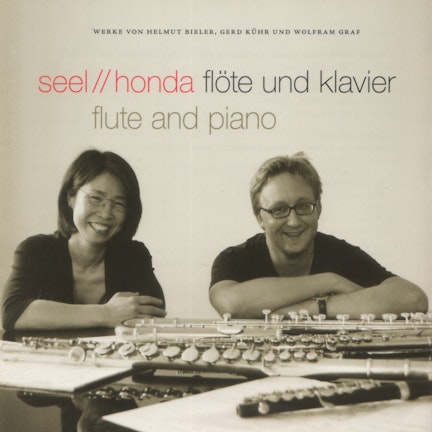
Flöte und Klavier
Alberto Posadas: Veredas
Bach: English Suites Nos. 2 and 4 and French Suite No. 6 (Arr. for Percussion Duo)