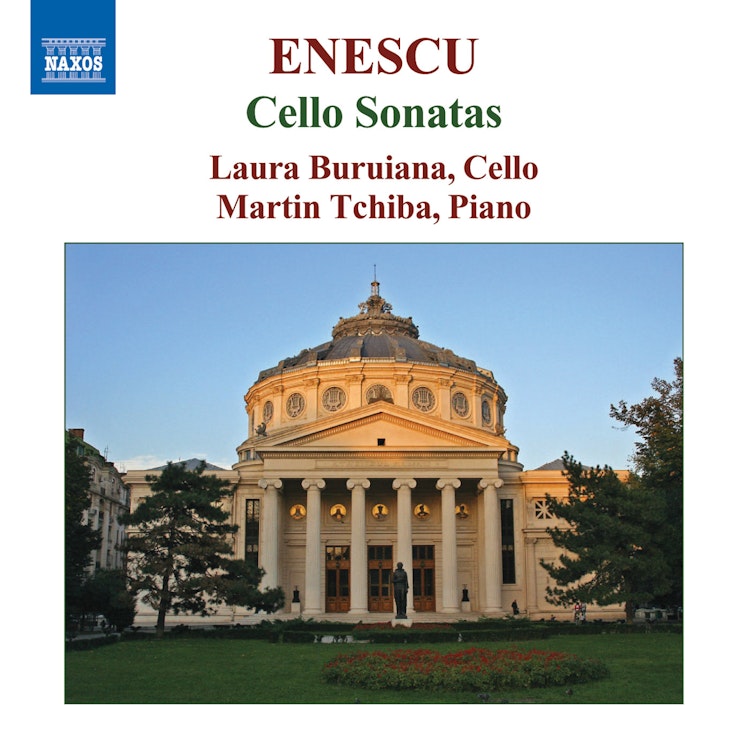
The third movement of the Second Cello Sonata features a soulful melody closely modeled on the doina, a traditional Romanian shepherd's tune central to Enescu's mature compositions.
Composition History
Enescu composed his Second Cello Sonata almost four decades after the first, in 1935, and dedicated it to the Catalan cellist Pablo Casals.
Compositional Technique
The First Cello Sonata derives its material from a single three-note motif (F-G-A flat), which generates both its melodic content and rhythmic vitality.
Performer Biography
Cellist Laura Buruiana won both the European and International 'Young Concert Artists Auditions' in Leipzig (2002) and New York (2003).
Composer's Artistic Vision
Enescu's major compositions after World War I amalgamate his understanding of classical masters with French and German romanticists, transcending radical and conservative notions.
Composition History
The First Cello Sonata was seemingly written in just twelve days near the end of 1898, between Enescu's first two violin sonatas.
Composer Biography
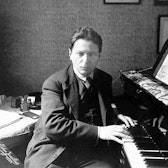
George Enescu, though lauded as a violinist, strongly desired comparable recognition as a composer, as attested by his pupil Yehudi Menuhin.
You might also enjoy...
Villa-Lobos: Works for Cello and Piano
Emmanuel: Cello Sonata, Op. 2 - Pierné: Sonate en une partie in F-Sharp Minor, Op. 46
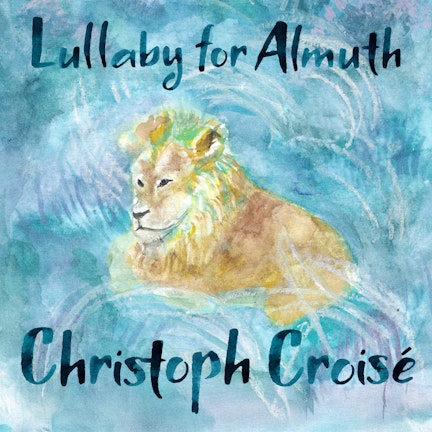
Christoph Croisé: Lullabies, Op. 18 for cello and piano: 2. Lullaby for Almuth
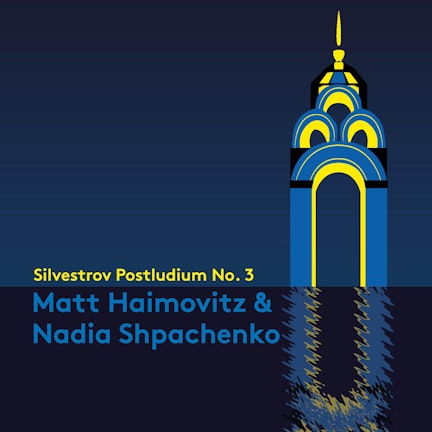
Silvestrov: Four Postludes: No. 3, Larghetto, con moto (poco rubato)
Bax: The Complete Works for Cello & Piano
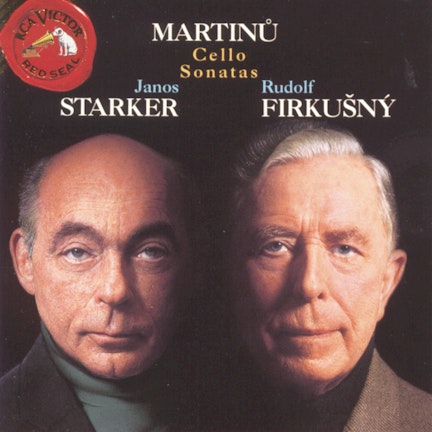
Martinu: Cello Sonatas
English Cello Sonatas
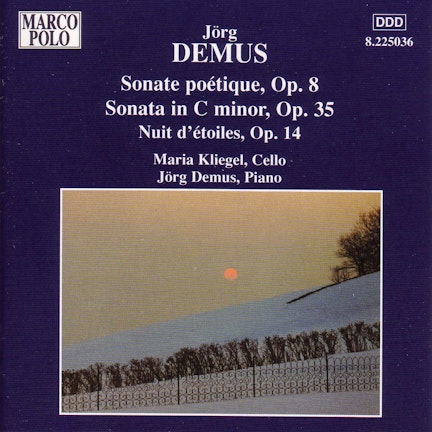
Demus: Sonate Poetique / Sonata in C Minor
Martinu: Cello Sonatas
British Works for Cello & Piano, Vol. 3
Barber & Hindemith: Cello Sonatas
Henriëtte Bosmans: Un poco allegretto (from: Sonata for Violoncello and Piano)
Demus: Sonate Poetique / Sonata in C Minor
Hindemith: Werke für Violoncello & Klavier, Vol. 1