Enescu: The 3 Symphonies, Orchestral Suite No. 3 & 2 Romanian Rhapsodies
6/2/2017, 17 Tracks, 3:25:44
Featuring
Gennady Rozhdestvensky
BBC Philharmonic
Leeds Festival Chorus
George Enescu
Did you know?
1/7
Compositional Technique
Enescu's symphonies, unlike his Romanian Rhapsodies, generally avoid direct folk music evocations, reflecting instead the influence of Western European fin-de-siècle music.
Performer Biography
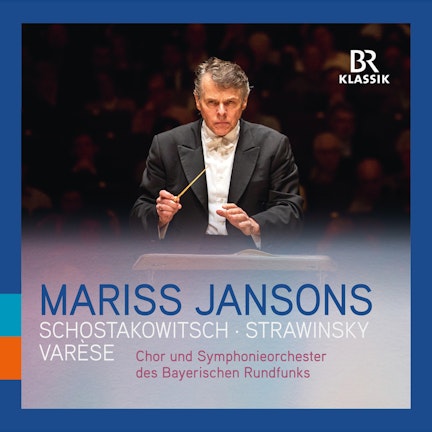
Gennady Rozhdestvensky, the conductor on this album, made his debut at the Bolshoi Theatre in 1951 and was the first Soviet conductor to be appointed principal conductor of a Western orchestra.
Composer's Artistic Vision
Enescu's Third Orchestral Suite, 'Villageoise', portrays a day in the life of a Romanian village, from spring sunrise to nocturnal peasant dances.
Composer Biography
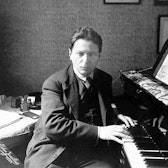
George Enescu, a Romanian musician, was a prodigiously gifted individual in the 20th century, excelling as a violinist, composer, conductor, pianist, cellist, and violin teacher.
Composition History
Enescu composed three published symphonies between 1905 and 1918, but he actually completed three other symphonies and began work on three more between 1894 and 1941.
Historical Context
Enescu began his Third Symphony in May 1916, three months before Romania entered World War I on the side of the Allies.
Composer Biography
Enescu's phenomenal musical memory contributed to the loss of some of his works, such as the Second Piano Sonata, which he composed but never wrote down.