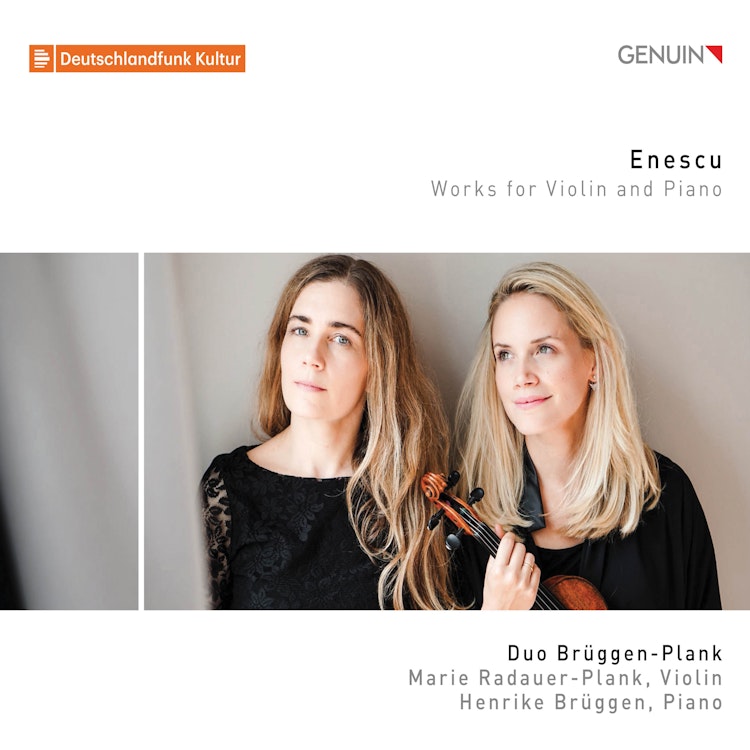
Marie Radauer-Plank, the violinist on this album, plays an Italian 1746 Dom Nicolò Amati violin.
Composition History
Enescu conceived the main theme for his Second Violin Sonata at age 14 and carried it with him for three years before composing the entire sonata in just 15 days at age 17.
Composer Biography
Enescu believed his musical development progressed rapidly with his Second Violin Sonata and String Octet, stating, 'I became myself.'
Compositional Technique
Enescu's Third Violin Sonata, 'dans le caractère populaire roumain,' features extremely detailed notation, including dynamics, metronome markings, and performance comments, to guide the artist in reproducing his free and colorful playing style.
Compositional Technique
Enescu described his compositional style as essentially polyphonic, believing a piece deserves to be called a composition only if it is propelled by a line, a melody, or overlapping melodies.
Recording & Production
This album was recorded at Jesus-Christus-Kirche Berlin-Dahlem, Germany, from June 18-21, 2018, and features a Steinway D piano.
Composer's Artistic Vision
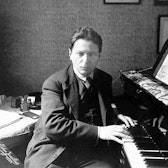
George Enescu, the composer, distinguished between 'gypsy music' and traditional Romanian folk music, noting the latter's immense sophistication and richness.
You might also enjoy...
Hindemith: Violin Sonatas
Hahn - Szymanowski
Schoeck: Violin Sonatas
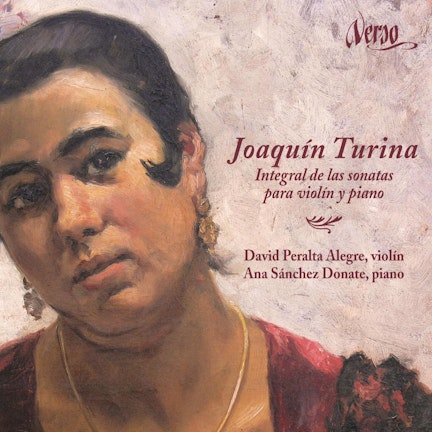
Joaquín Turina: Integral de las sonatas para violín y piano.
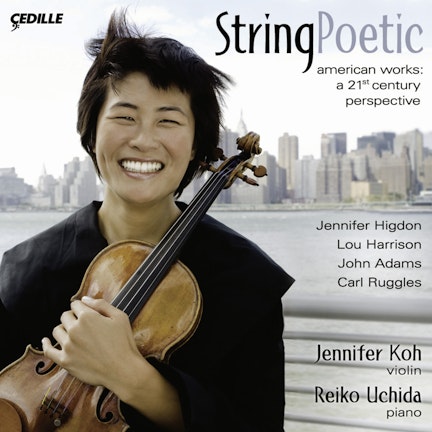
Violin Recital: Koh, Jennifer - Higdon, J. / Harrison, L. / Adams, J. / Ruggles, C. (String Poetic)