Satie's music is characterized by its simplicity of harmony and repetitions, a deliberate choice for an airier, easier-to-digest sound, contrasting with the long, large-scale works popular at the time.
Compositional Technique
Satie's scores contain numerous enigmatic annotations, like 'Advise yourself carefully' or 'Don't eat too much,' which the performer must interpret to capture the music's subtlety.
Compositional Technique
Satie often used repetition of sound motifs, not due to a lack of imagination, but as a deliberate choice to present a 'new resurgence of a theme-module' each time.
Compositional Technique
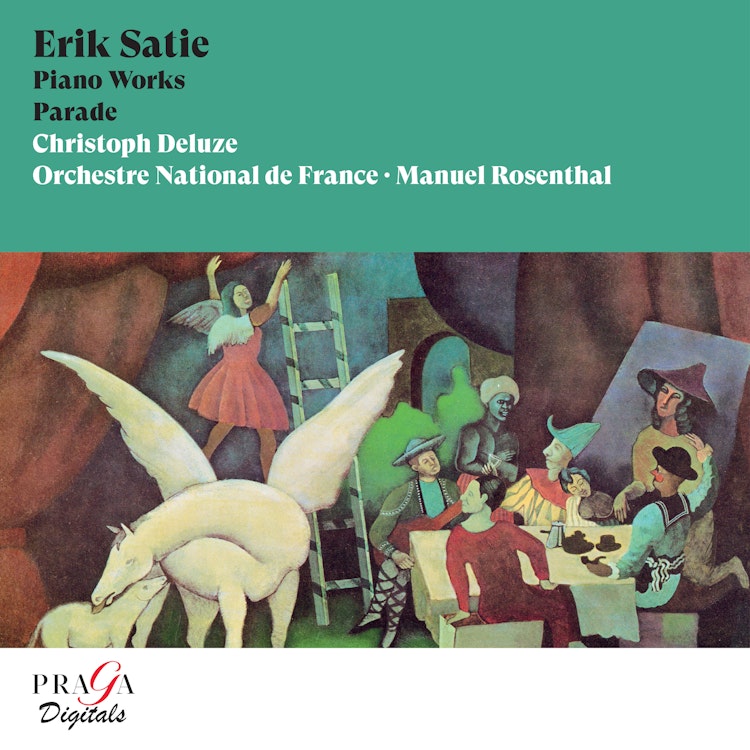
Satie's score for the ballet Parade unusually incorporated 'instruments' like typewriters, sirens, and pistols into the symphony orchestra, contributing to its controversial reception.
Composer Biography
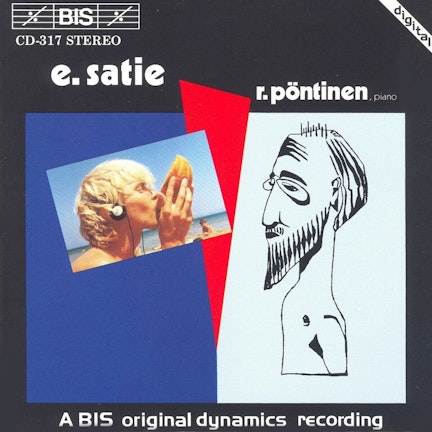
Erik Satie, the composer, progressively became a spokesman for eccentrics, nostalgics, and rebels, despite being a solitary and modest creator.
Composition History
The ballet Parade, with music by Satie, was a collaboration with painter Picasso and choreographer Massine, and its 1917 premiere caused a scandal comparable to The Rite of Spring.
Composer's Artistic Vision
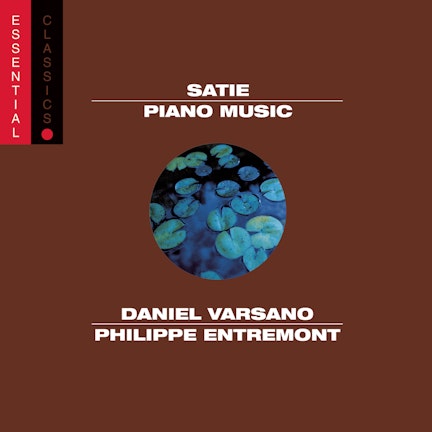
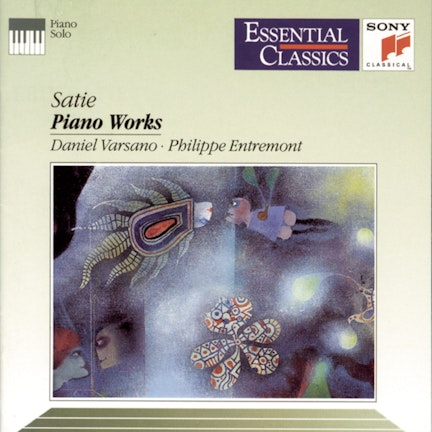
The album suggests that Satie might have been a precursor in inviting listeners to shed excess and superfluity, returning to true identity and real values.
You might also enjoy...
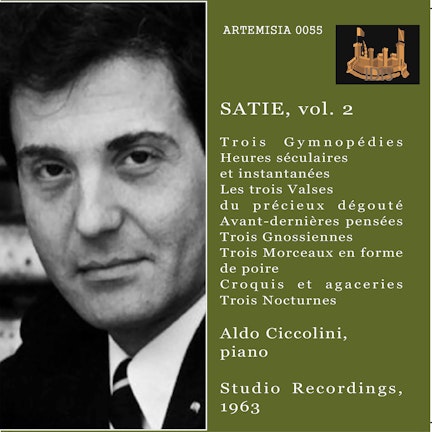
Satie: Morceaux en forme de poire, Heures séculaires et instantanées, Nocturnes, Gymnopédies, Gnossiennes, Avant-dernières pensées...