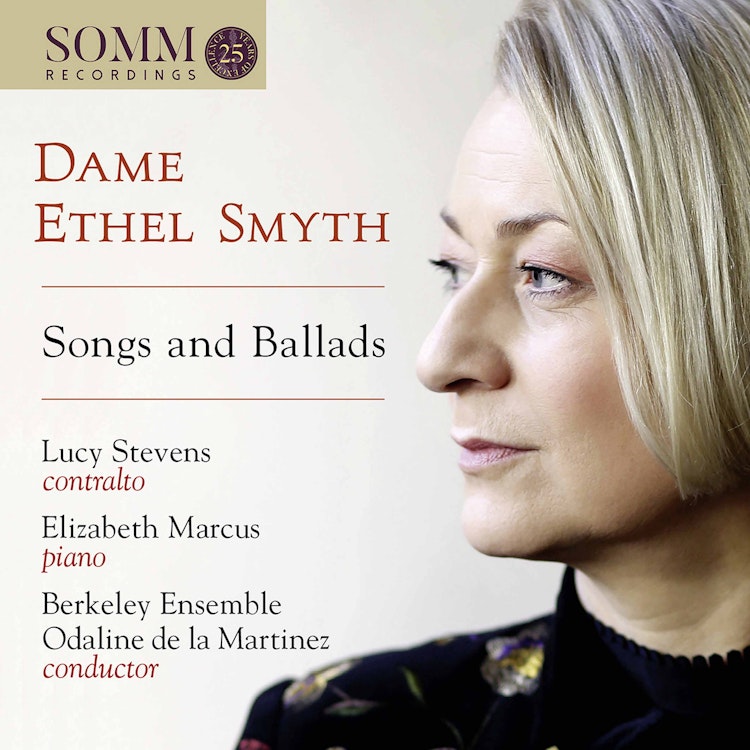
Smyth's songs illuminate her appetite for life, love, and her undaunted fight for women's freedom, showcasing the vocal artistry characteristic of her larger works.
Composition History
Smyth dedicated her first song cycle, Songs and Ballads, Op.3, to Livia Frege, a gifted singer to whom Mendelssohn and Schumann had also dedicated songs.
Composer Biography
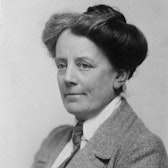
At 18, Ethel Smyth defied social conventions by insisting on studying music at the Leipzig Conservatorium, despite her father's strong disapproval.
Compositional Technique
Smyth's Four Songs for voice and chamber orchestra are exquisitely orchestrated, with each song treated texturally differently while using the same musical forces.
Composer Biography
Smyth became actively involved with the militant suffragettes (Women's Social and Political Union) after meeting Emmeline Pankhurst, leading to her most influential work, 'The March of the Women'.
Historical Context
Smyth's early songs are closely aligned with the 19th-century German Lied tradition, influenced by her immersion in a prominent Leipzig musical circle.
Composer Biography
Dame Ethel Smyth, the composer, published 11 volumes of prose in her later life and was a leading suffragette for a brief period.
You might also enjoy...
A. Berg: Jugendlieder
Ahbez: Nature Boy
Hermann von Glenck: Wenn es in den Bäumen rauscht
Tcherepnin: My Flowering Staff
Hermit Songs, Op. 29
Aka Tombo
Medtner: Songs
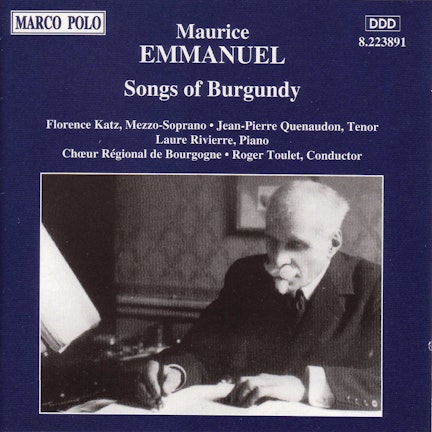
Emmanuel: Songs of Burgundy
One By One
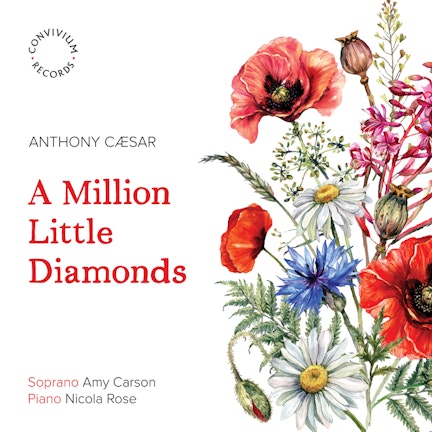
Anthony Ceaser: A Million Little Diamonds
Emmanuel: Songs of Burgundy
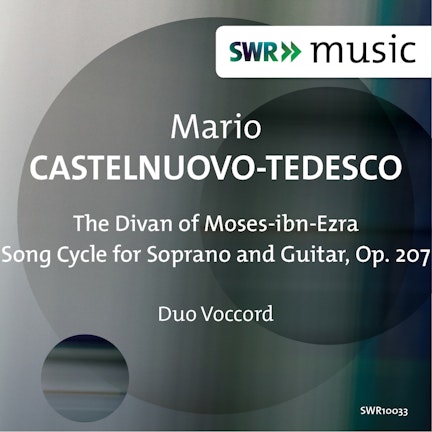
Castelnuovo-Tedesco: The Divan of Moses-ibn-Ezra, Op. 207
Joaquín Turina: Saeta en Forma de Salve
Montsalvatge: 5 Canciones negras: No. 4, Canción de cuna para dormir a un negrito