Erika Haase has been a Professor of Piano at the State College of Music and Theatre, Hanover, since 1974 and has given masterclasses internationally.
Performer Biography
Erika Haase, the pianist on this album, studied with notable figures like Hans Leygraf and Edward Steuermann, and received the 'Kranichstein Music Prize' in 1959.
Compositional Technique
The rapid note repetitions in Liszt's "La Campanella" were made possible by the newly patented repetition action in pianos, a technical development Liszt was familiar with through his friendship with the Erard family of piano makers.
Composer Biography
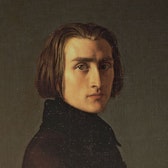
Franz Liszt, already an accomplished pianist, was so inspired by violinist Niccolò Paganini's playing that he undertook intensive technical studies, elevating his piano technique to an unprecedented level.
Compositional Technique
Liszt's Etude No. 3, "La Campanella," is not a transcription of a Paganini Caprice but a piece conceived for the keyboard, based on a melody from Paganini's second violin concerto.
Composition History
Liszt's Grandes Etudes de Paganini and Etudes d'exécution transcendante were revised and published in their definitive versions in 1851, after Liszt had settled in Weimar and focused on composition.
Composer's Artistic Vision
Liszt's goal in transcribing Paganini's violin Caprices for piano was to adapt the music so perfectly to the piano that it would sound as if originally conceived for that instrument, dissolving the fundamental differences between the two.
You might also enjoy...
Hommage à Liszt
Bartók: Works for Solo Piano, Vol. 7
Liszt: Complete Piano Music 45 – Rapsodie espagnole