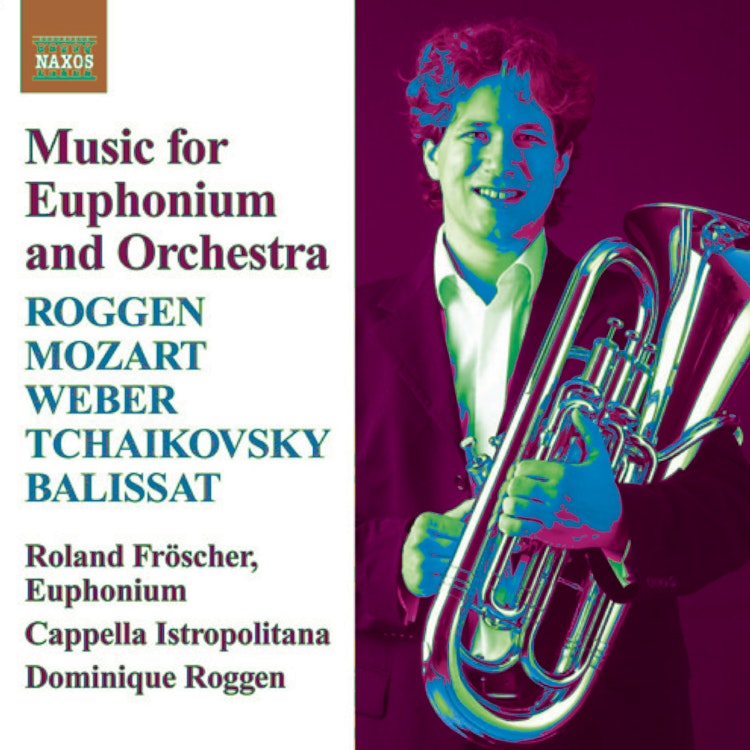
Euphonium Music: Roggen, D. / Mozart, W.A. / Weber, C. / Tchaikovksy, P. / Balissat, J.
1/1/2009, 14 Tracks, 1:07:18
Featuring
Dominique Roggen
Roland Fröscher
Cappella Istropolitana
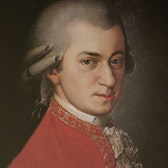
Wolfgang Amadeus Mozart
Carl Maria von Weber
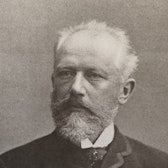
Pyotr Ilyich Tchaikovsky
Jean Balissat
Did you know?
1/7
Compositional Technique
The third movement of Dominique Roggen's Euphonium Concerto, a 'Bergamasca helvetica absurda', incorporates a Swiss folksong, 'luegit vo Barge u Tal', as a cantus firmus.
Instruments
The euphonium, for which two original works are featured on this album, is said to have been invented in Weimar in 1843.
Recording & Production
This album includes two original works for euphonium and transcriptions of bassoon concertos by Mozart and Weber, along with a transcription of Tchaikovsky's Andante cantabile.
Composition History
Dominique Roggen's Concerto in B flat major for euphonium is part of a series of 'anachronistic concertos' written for instruments developed long after the Baroque period.
Instruments
In German and Russian military bands, the euphonium came to replace the bassoon, suggesting that bassoon transcriptions would be a useful addition to the euphonium solo repertoire.
Composer's Artistic Vision
Dominique Roggen, one of the composers on this album, immerses himself in Baroque contrapuntal techniques, forms, and syntax.
Performer Biography
Roland Fröscher, the euphonium soloist on this album, has won numerous prestigious competitions and awards, including 'Brass Player of the Year' at the Hochschule der Künste Bern in 2004.