Dvořák's 'Ty hvězdičky' (Those Little Stars) from Op. 3 is described as Schubertian and hymn-like, while 'Mně zdálo se, žes umřela' (It Seemed to Me That You Had Died) features simple melodies with unexpected harmonic brightenings.
Composition History
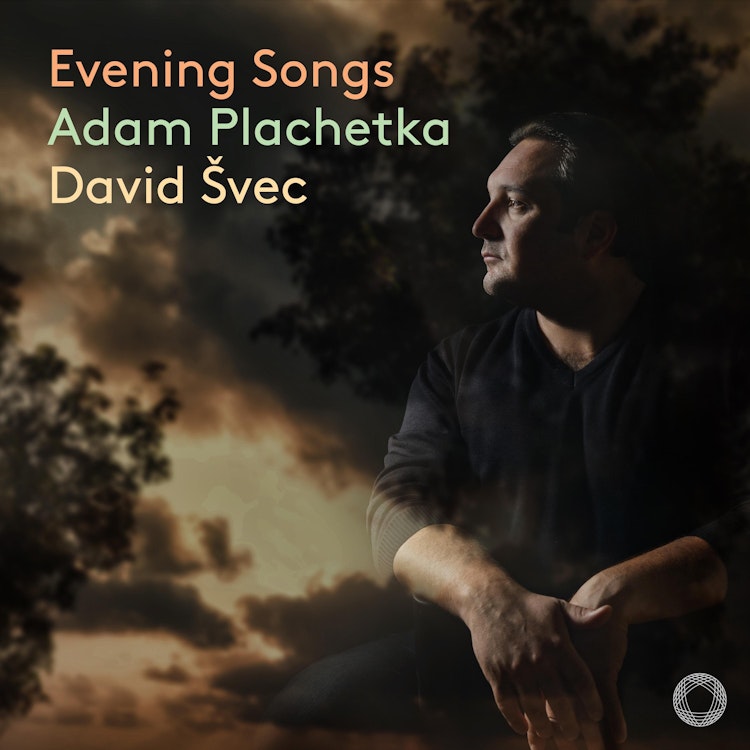
Dvořák's 'Evening Songs' exist across three different opus numbers and one fragment, suggesting they were not originally conceived as a single cycle.
Composer Biography
Antonín Dvořák, a prolific composer with over a hundred songs, often recycled early settings, such as his 1865 Cypresses, and quoted from his songs in larger works like the Cello Concerto.
Composer's Artistic Vision
Vítězslav Hálek's sixty-five short love poems, titled 'Evening Songs' and published in 1859, provided significant inspiration for Czech composers, similar to Goethe's influence on the German lied tradition.
Composer Biography
Josef Suk, a gifted musician and pupil of Dvořák (whose daughter Ottilie he married), wrote some of the greatest Czech music of the early 20th century but had a very small output of songs due to his extensive performing career with the Bohemian String Quartet.
Composer's Artistic Vision
Smetana's 'Evening Songs' includes the symbolic line, 'but the greatest punishments of all is when a nation has no songs,' highlighting his belief in the importance of national music.
Composer Biography
Bedřich Smetana's 'Evening Songs' cycle from 1879, along with his symphonic poems like Ma vlast and his operas, was fundamental in establishing a national music for the Czech Republic.
You might also enjoy...
Mahler: Ich bin der Welt abhanden gekommen
Glinka: Songs
Three centuries of Thomas Moore for Tenor and Piano