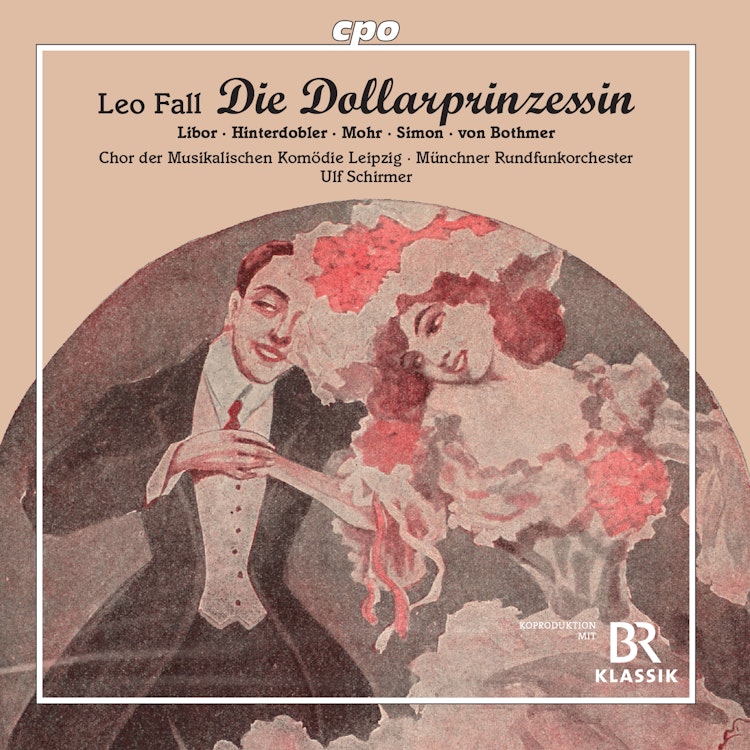
Leo Fall's "Die Dollarprinzessin" features proto-Dadaist sound poetry and onomatopoeic expressions, such as "Wigl wagl wigl wak my monkey" and "Tadara töff, töff!", contributing to its nonsensical charm.
Composition History
During the composition of "Die Dollarprinzessin," Leo Fall was secretly working on another operetta, "Der fidele Bauer," leading to a "hide and seek" situation with his librettists.
Cultural Impact
The operetta "Die Dollarprinzessin" presented a modern female role model: the independent working woman, embodying capitalism and emancipation.
Composition History
Leo Fall began composing "Die Dollarprinzessin" in January 1906, shortly after his previous operetta, "Der Rebell," had failed.
Cultural Impact
By 1909, "Die Dollarprinzessin" had conquered London and New York, with its success in London paving the way for performances across the British Empire and in South America, where it remains in the repertoire.
Critical Reception
Despite a lukewarm initial reception in Vienna, the Berlin premiere of "Die Dollarprinzessin" in 1908 was a triumph, with critics praising its artistic quality and innovative finales.
Historical Context
The operetta "Die Dollarprinzessin" reflected contemporary societal discussions about the 'American dollar princess' – wealthy, independent women who were seen as a new social type.