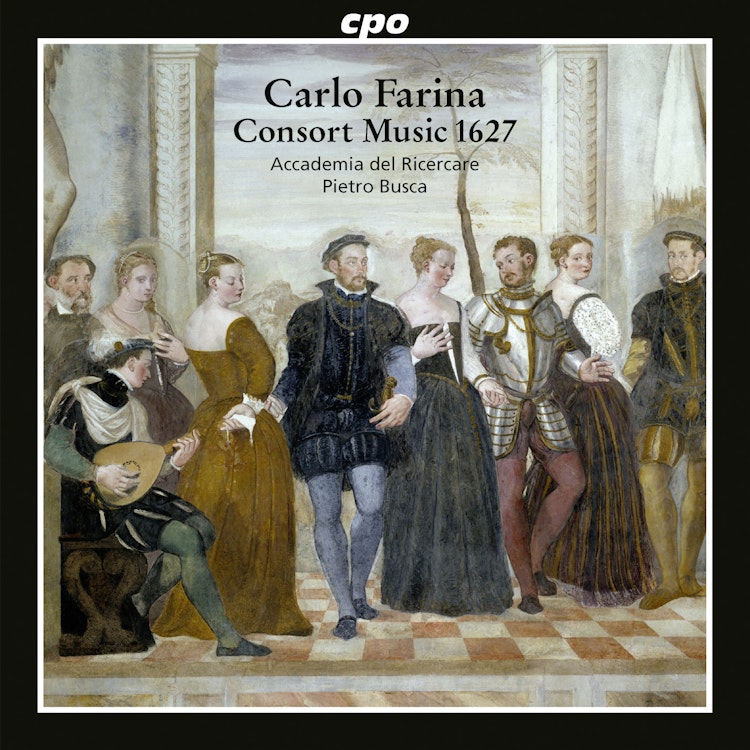
This album features music from the period between the late 16th and early 17th centuries, marking the transition from the Renaissance to the Baroque era.
Composer Biography
Carlo Farina, the composer on this album, was born in Mantua, a city that flourished under Duke Vincenzo I Gonzaga, who hosted figures like poet Torquato Tasso and composer Claudio Monteverdi.
Critical Reception
Farina's most famous work, the Capriccio stravagante, led some musicologists to label him the inventor of 'programme music,' though this view has been criticized as overly simplistic.
Composer Biography
Farina's life was marked by constant travel across Europe, including stays in Prague, Dresden, Parma, Lucca, Danzig (now Gdańsk), and finally Vienna, where he died of the plague.
Composer's Artistic Vision
Farina was admired for his audacious determination to employ all the technical and expressive resources of the violin, influencing the German violin school.
Composer Biography
Farina served as Konzertmeister in Dresden under Johann Georg I, Prince Elector of Saxony, a city that was a vibrant cultural center despite the Thirty Years' War.
Compositional Technique
During this period, instrumental music evolved from generic structures playable on "all sorts of instruments" to compositions conceived for specific instruments like the violin, recorder, or cornet.
You might also enjoy...
Guido: The four seasons
Piccinini: Intavolatura di Liuto, et di Chitarrone, Book 1
Viadana: Sinfonie musicali à 8, Op. 18
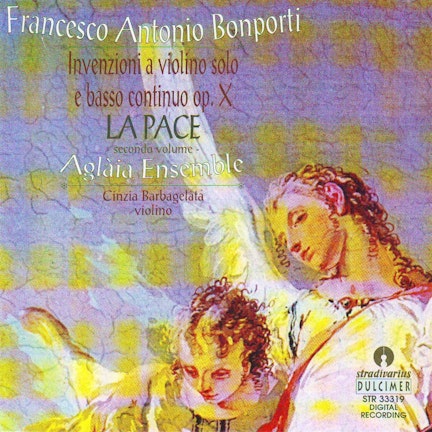
Bonporti: Inventions for Violin, Op. 10, Vol. 2
Matteis: False Consonances of Melancholy (Alpha Collection)
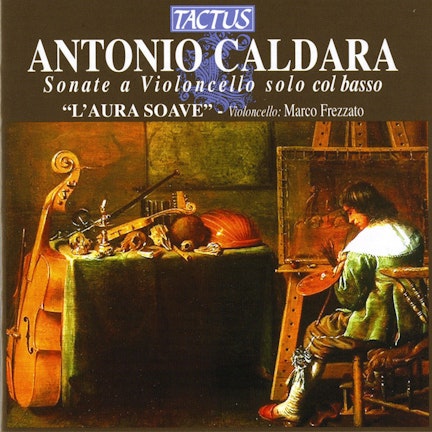
Caldara: Suonate a Violoncello solo col basso
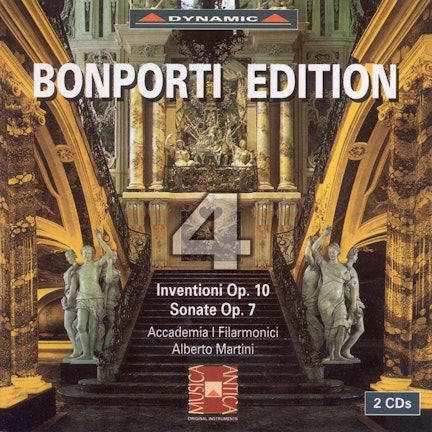
Bonporti Edition, Vol. 4 - Inventions
Maderna & Berio: Now, And Then
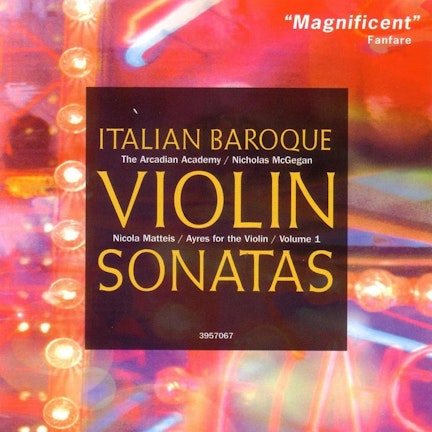
Italian Baroque Violin Sonatas (Nicola Matteis: "Ayres for the Violin," Vol.1)