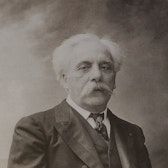
Alfred Cortot, the pianist to whom Fauré's Fantaisie, Op. 111, is dedicated, expressed reservations about the work, particularly the lack of brilliance in the solo part, preferring the virtuosic style of Rachmaninov.
Composer Biography
Francis Poulenc, described by critic Claude Rostand as 'half-monk, half-rascal,' reflected these opposing sides of his personality in many of his works, including his Piano Concerto.
Historical Context
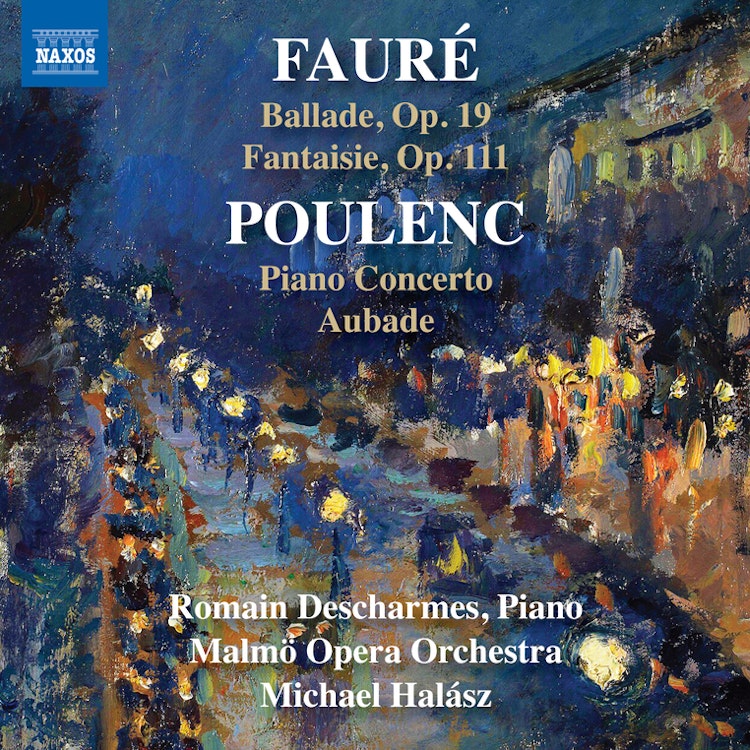
Fauré composed his Fantaisie, Op. 111, during 1918, a period when Paris was under threat from German cannons, completing it by September, at the time of the Allied offensive that led to victory.
Composition History
Fauré's Fantaisie, Op. 111, was indirectly inspired by Debussy, who had considered writing a series of piano concertos, a suggestion passed to Fauré by his publisher Jacques Durand after Debussy's death.
Compositional Technique
Poulenc's Piano Concerto, written for his second American tour, incorporates American tunes, notably repeated references to 'Way Down upon the Swanee River' in the finale, though these went unnoticed by the audience.
Composer Biography
Fauré asked the young composer Marcel Samuel-Rousseau to orchestrate his Fantaisie, Op. 111, under his supervision, because his hearing was deteriorating, especially with orchestral textures.
Compositional Technique
Fauré's Ballade, Op. 19, features a distinctive melodic phrase: a rising octave followed by a falling second, and incorporates 'filigree Lisztian trills in thirds' towards the end.
You might also enjoy...
Khachaturian : Piano Concerto
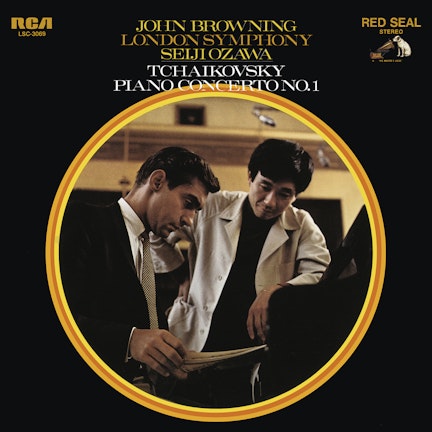
Tchaikovsky: Piano Concerto No.1
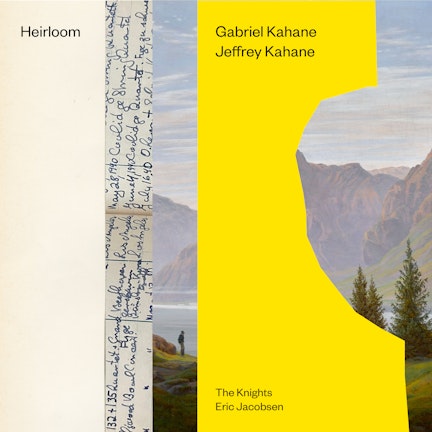
Heirloom: I. Guitars in the Attic
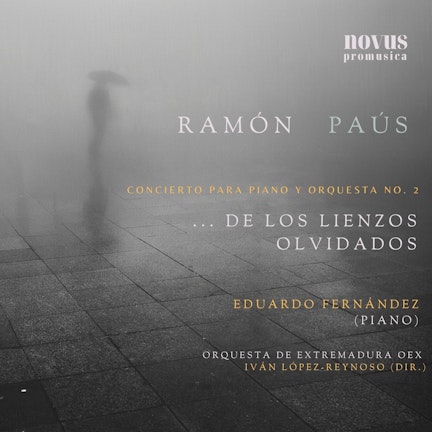
Paús: Concierto para Piano y Orquesta No. 2, "de los Lienzos Olvidados" (Live)
Tchaikovsky: Piano Concerto No. 1 in B-Flat Minor, Op. 23
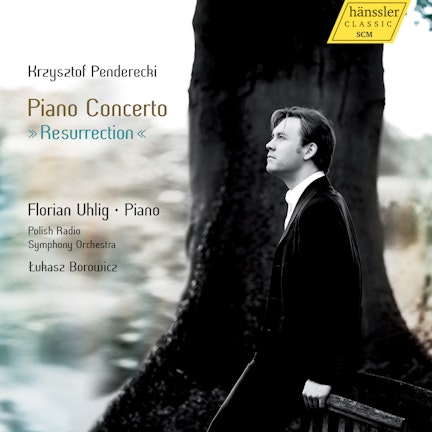
Penderecki: Piano Concerto, "Resurrection"
Hillborg: Piano Concerto No. 1: III. (Crotchet = 84)