Gabriel Fauré's earliest surviving composition was a mélodie (song), Le Papillon et la Fleur, written when he was only sixteen years old.
Historical Context
Gabriel Fauré completed Le Jardin clos, a cycle of contemplation and introspection, in November 1914, having been forced to flee Germany due to the outbreak of the First World War.
Notable Performances
When Gabriel Fauré presented his Ballade for piano to Franz Liszt in 1882, Liszt played a few pages before declaring, "I have no fingers left," and asked Fauré to continue.
Composition History
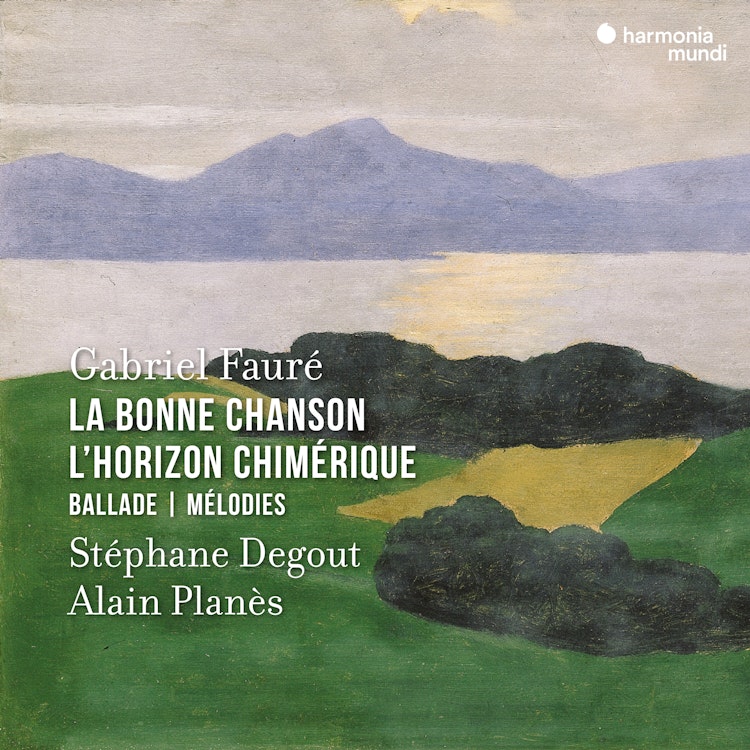
The cycle La Bonne Chanson by Gabriel Fauré was inspired by and dedicated to Emma Bardac, an amateur singer and friend of the composer.
Compositional Technique
Maurice Ravel described Gabriel Fauré's La Bonne Chanson as an "incomparable symphony" due to its nine sections being ordered and balanced to form a single lyrical poem.
Composer's Artistic Vision
Gabriel Fauré considered words and music to be a single entity, with poetry inspiring his melodies, which would mature unconsciously before he began the work of fine-tuning them.
Composition History
Gabriel Fauré's Ballade for piano, Op. 19, was originally conceived as three separate piano pieces that he found a way to develop into a single, complex work.
You might also enjoy...
Faure, G.: Melodies
Fauré: Mélodies
Schwanengesang
Winterreise
Schubert: Winterreise, Op. 89, D. 911
Brahms: Die schöne Magelone, Op. 33
Schubert: Winterreise, Op. 89, D. 911
Die schöne Müllerin, Op. 25, D. 795
Un siècle de musique française
Mendelssohn: Lieder . Loewe: Ballads
Belcanto - Bellini Verdi
Peter Pears and Benjamin Britten in Concerts. Leningrad 1963, 1966 (Live)
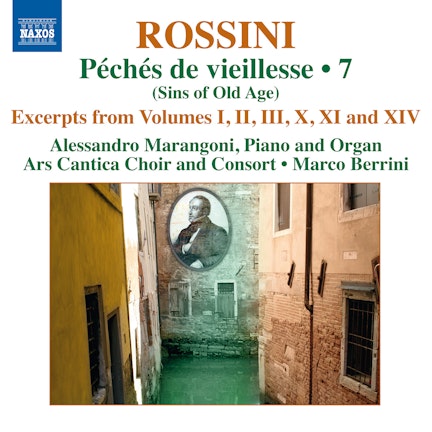
Rossini: Excerpts from "Péchés de vieillesse", Vol. 7