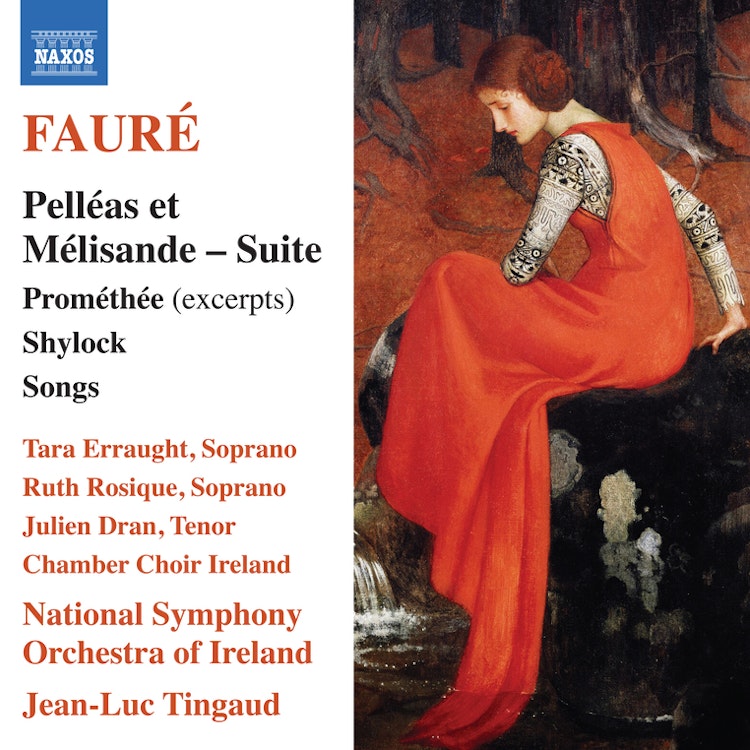
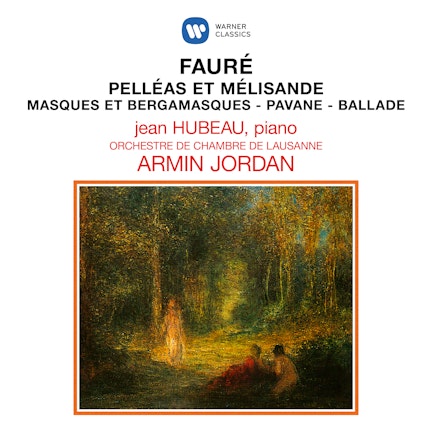
Fauré: Pelléas et Mélisande Suite, Prométhée (Excerpts), Shylock & Songs
1/10/2025, 20 Tracks, 1:05:49
Featuring
Jean-Luc Tingaud
Tara Erraught
Ruth Rosique
Julien Dran
National Symphony Orchestra of Ireland
Chamber Choir Ireland
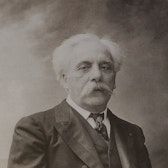
Gabriel Fauré
Did you know?
1/7
Composer Biography
Fauré's school piano teacher, Saint-Saëns, became his most significant mentor and a lifelong friend, and the musical language of sacred chant deeply impacted his music.
Composition History
Fauré's incidental music for Maeterlinck's play Pelléas et Mélisande was commissioned for an English-language production in London in June 1898, thanks to his high-society connections.
Composer Biography
Gabriel Fauré, a French composer, was born in the small town of Pamiers, the son of a schoolteacher, and moved to Paris as a child to study at the École Niedermeyer.
Compositional Technique
In Prométhée, Fauré used motifs to represent the main characters, similar to Wagner's music dramas, such as the wide-ranging theme for Prométhée and a chromatic 'Fire' motif.
Historical Context
Shakespeare's plays were popular in 19th-century Paris, and Fauré's incidental music for Shylock was based on Edmond Haraucourt's adaptation of The Merchant of Venice.
Composition History
Prométhée, a lyrical tragedy by Fauré, was composed in 1900 for an open-air festival in Béziers, near his birthplace, and featured around 800 performers.
Composition History
Fauré composed over 100 songs throughout his nearly 60-year compositional life, but he orchestrated only a small number of them.