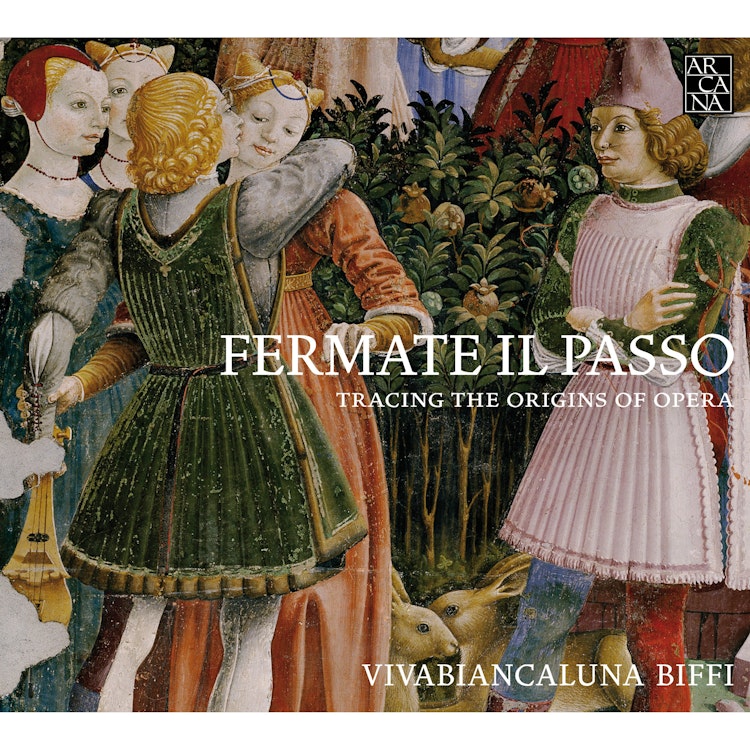
The album's structure is presented as an archetypal plot, or 'fabula', divided into a Prologue, three Acts (Sunset, Night, Dawn), a Dreamlike Interlude, and an Epilogue, reminiscent of ancient theatre.
Historical Context
The frottola, a short and immediate musical form, was particularly successful between 1480 and 1520, developing as a more 'learned' version of a popular model.
Interpretation
The performer, VivaBiancaLuna Biffi, sings while accompanying herself on the viol, taking on roles as a dramatic character, accompanist, soloist, declaimer, and commentator.
Recording & Production
This album was recorded at the Paradyż Abbey in Gościkowo, Poland, in September 2013, with artistic direction, recording, editing, and mastering by Alban Moraud.
Compositional Technique
Frottole are musical compositions for three or four voices, typically based on melodies and harmonies that are easy to listen to and memorize.
Historical Context
Ottaviano Petrucci, a printer, published eleven collections of frottole between 1504 and 1514, demonstrating the genre's popularity.
Interpretation
The album features singing with a viol accompaniment, a practice Baldassare Castiglione defined in his 1528 'Book of the Courtier' as one of the most refined traditions of Renaissance culture.
You might also enjoy...
Anthology of the Recorder, Vol. 2
Quem queritis? - Un Dramma Liturgico nella Firenze Medievale
Matthusen: Pieces for People
Italian Serenades
On the Road to a New Harmony, Vol.2
Music by Miguel Chuaqui
Jazz Impact: Hommage to Bernstein
TrioPolis One
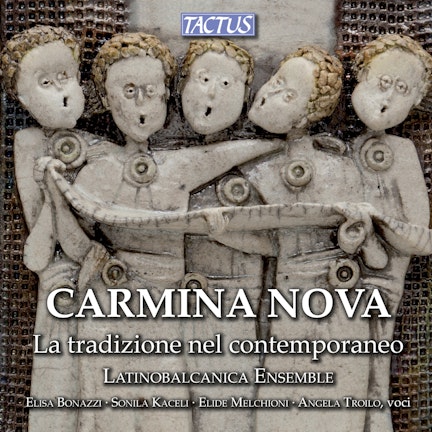
Carmina Nova - La tradizione nel contemporaneo
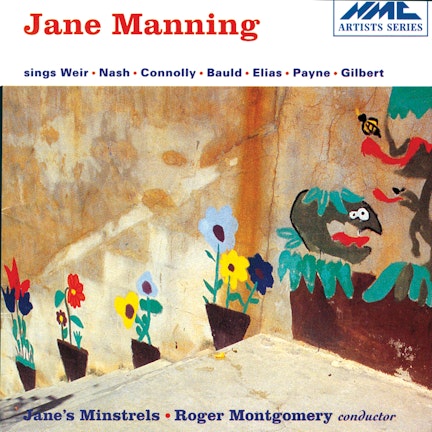
Jane Manning Sings
Keith Kramer: Emerge
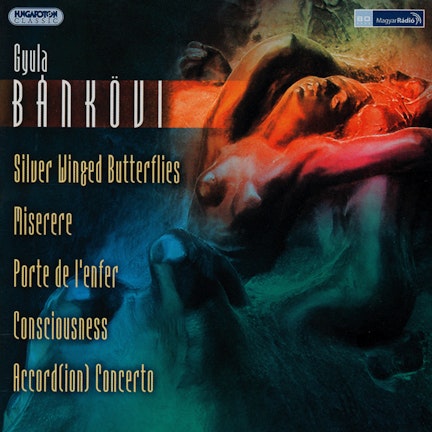
Bankovi: Silver-Winged Butterflies / Miserere / Porte De L'Enfer / Consciousness