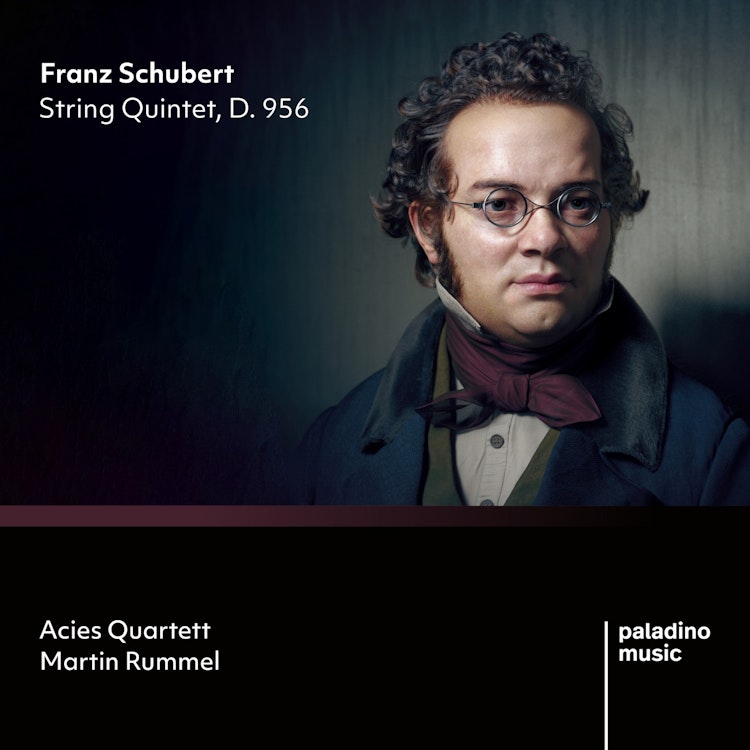
The Acies Quartet has received numerous awards, including first prize in the string quartet category at the 'Gradus ad Parnassum' competition in Vienna and the Mozart Prize in 2006.
Composer's Artistic Vision
The fundamental mood of Schubert's existence, as reflected in his music, is one of melancholy and resignation to fate, often depicted in minor keys.
Performer Biography
Martin Rummel, the cellist, is also a cultural manager, academic, and has released over 70 CD albums, earning him a reputation as a leading cellist of his generation.
Composition History
Schubert's String Quintet, D. 956, had its presumed first performance on November 17, 1850, at the Vienna Musikverein, 22 years after its composition.
Instruments
Two of the Acies Quartet's instruments, a 1727 violin by Dominicus Montagnana and a 1708 violoncello by Alessandro Gagliano, are on loan from the Austrian National Bank.
Performer Biography
The Acies Quartet and Martin Rummel dedicate this recording to Günter Pichler and Valentin Erben, the two oldest living members of the Alban Berg Quartet, who were their teachers and mentors.
Interpretation
Martin Rummel, the cellist on this recording, considers the part of the second cello in Schubert's quintet to be the crowning glory of a soloist, influencing the overall direction with subtle contributions.
You might also enjoy...
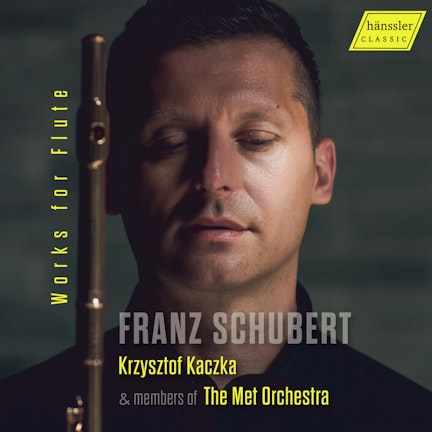
Franz Schubert: Works for flute
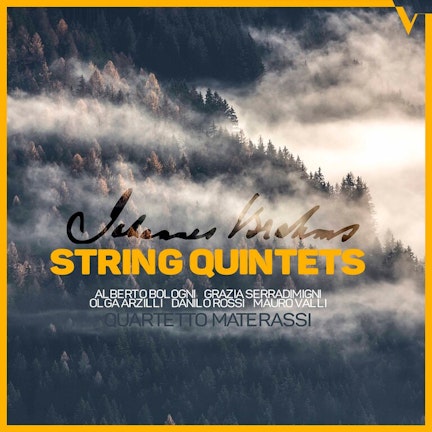
Brahms: String Quintets Nos. 1 & 2
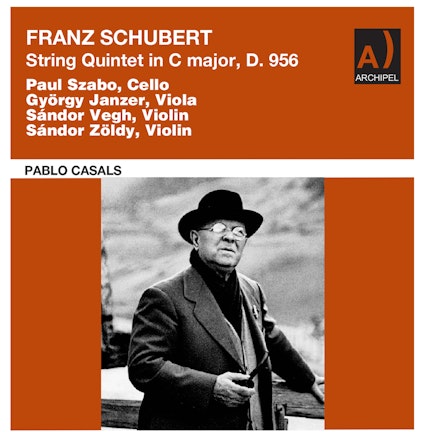
Schubert: String Quintet in C Major, Op. 163, D. 956 (Live) [Remastered 2022]
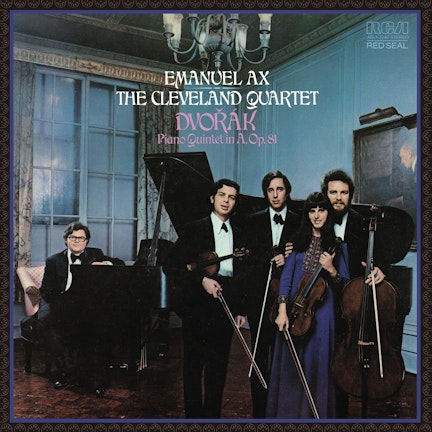
Dvorák: Quintet No. 2 in A Major, Op. 81
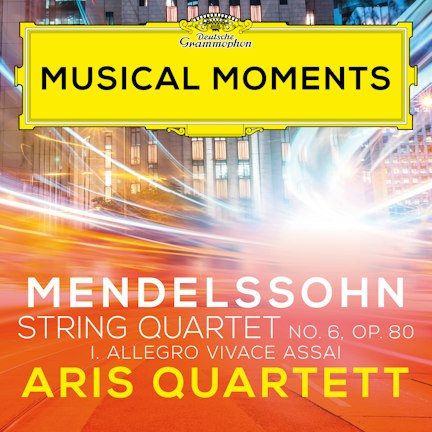
Mendelssohn: String Quartet No. 6 in F Minor, Op. 80: I. Allegro vivace assai – Presto (Musical Moments)
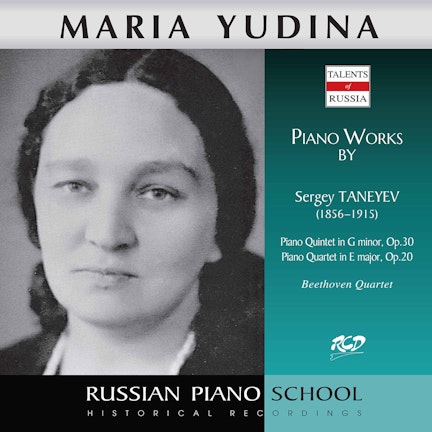
Taneyev: Piano Quintet in G Minor, Op. 30 & Piano Quartet in E Major, Op. 20