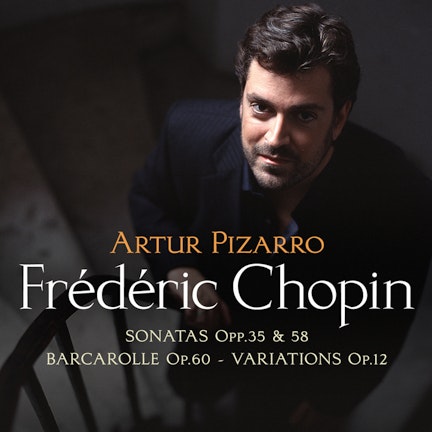
Chopin composed the Sonata in B-flat minor during his first stay at Nohant, the estate of George Sand, with the exception of the 'Funeral March' which was written two years earlier.
Composition History
Chopin composed his Third Sonata in B minor during his fifth stay at Nohant in 1844, a period influenced by the death of his father and the arrival of his sister Ludwika, which may explain its 'happy character'.
Critical Reception
Robert Schumann, a great admirer of Chopin's music, was bewildered by the Sonata in B-flat minor, calling its movements 'four of his most unruly children' and the Finale 'more like a mockery than any kind of music'.
Compositional Technique
Chopin's Mazurkas Op. 63, composed in 1846, demonstrate how he appropriated the essence of folk music, with one piece featuring an accompaniment in fifths reminiscent of the Polish bagpipe, the duda.
Composer's Artistic Vision
Chopin's creative process, as described by George Sand, involved intense struggle, with him often repeating and changing a bar a hundred times, and breaking his pens in a 'frantic quest for perfection'.
Composer's Artistic Vision
Franz Liszt noted that Chopin 'ennobled' the mazurka's melody, 'enlarged its proportions', and introduced 'harmonic chiaroscuro' that was novel to the genre.
Composer Biography
The nine-year relationship between Frédéric Chopin and George Sand (Amandine Aurore Lucile Dupin, Baroness Dudevant) was the most productive period of Chopin's career.
You might also enjoy...
Chopin: Piano Sonatas
Chopin: Piano Works
Chopin: Works for Solo Piano
Chopin: Late Works, Op. 57-61
Music of Chopin
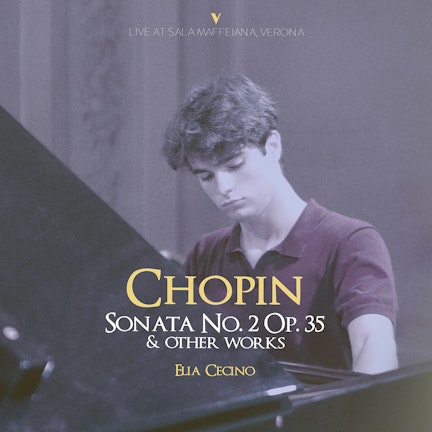
Chopin: Piano Sonata No. 2 in B-Flat Minor, Op. 35, B. 128 & Other Works
Chopin Polonaises
Chopin Recital
Chopin: Last Words
Chopin: Complete Solo Piano Works in Opus Order, Vol. 6