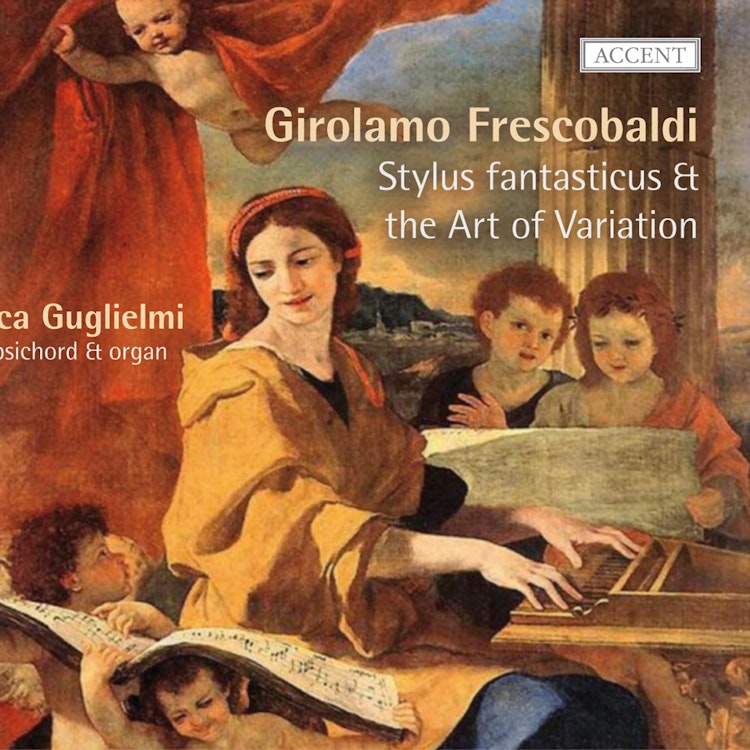
Frescobaldi: Stylus fantasticus und die Kunst der Variation
2/7/2012, 17 Tracks, 1:01:52
Featuring
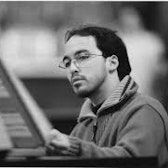
Luca Guglielmi
Girolamo Frescobaldi
Did you know?
1/7
Composer Biography
Girolamo Frescobaldi (1583-1643) is increasingly being recognized as one of the greatest masters in music history, thanks to recent research and the nearing completion of his complete works.
Instruments
The organ used for tracks 10-17 was built by Giacomo Filippo Landesio in 1750 in Luserna San Giovanni, Turin, and was restored in 1998.
Compositional Technique
Frescobaldi's toccatas are distinguished by their diversity, featuring surprising harmonic richness, a rejection of stereotypical figuration, and unpredictable figures that can range from profound recitative to dazzling tonal fireworks.
Compositional Technique
Frescobaldi's innovative contrast between free and fixed meters, often augmented by dance-like triple-time sections, is considered one of the deep roots of Bach's toccatas.
Instruments
The harpsichord used on this recording is a 1994 copy by Michele Barchi of an anonymous 17th-century Italian instrument, tuned to ¼ comma meantone temperament.
Recording & Production
This album was recorded in two different churches in the Turin region of Italy in April 2008.
Composer's Artistic Vision
Frescobaldi's aesthetic is characterized by the free stylus fantasticus, with its endless inventiveness in toccatas, and the art of variation, including contrapuntal, thematic, and metrical-rhythmic forms.
You might also enjoy...
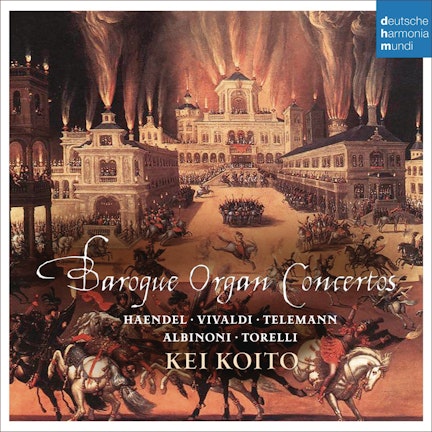
Baroque Organ Concertos
Frescobaldi: Recercari & Canzoni Franzese fatte sopra diversi oblighi in partitura
Frescobaldi: Il primo libro di capricci
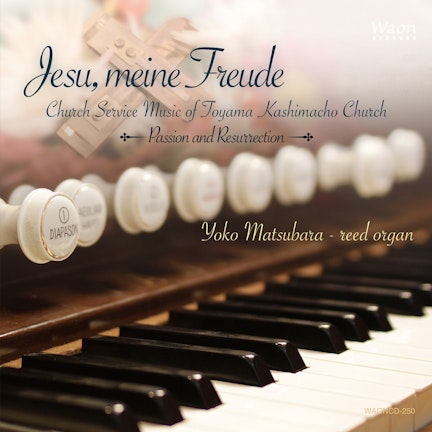
Jesu, meine freude: Church Service Music of Toyama Kashimacho Church - Passion & Ressurection
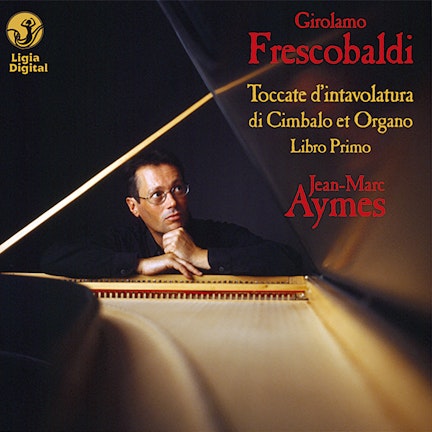
Frescobaldi: Complete Keyboards Works, Vol. 1 (Toccate d'intavolatura di cimbalo et organo, Libro primo)
Bach, J.S.: Heyday in Weimar
Frescobaldi: Music for Harpsichord, Vol. 4
Czerny: Organ Music
In dulci jubilo: Church Service Music of Toyama Kashimacho Church - Advent Through Christmas
Pachelbel, J.: Organ Music (Complete), Vol. 6
L'Organo in Italia fra Rinascimento e Barocco
Fischer & Kerll: Arp-Schnitger Organ of the Monastery of Moreira da Maia