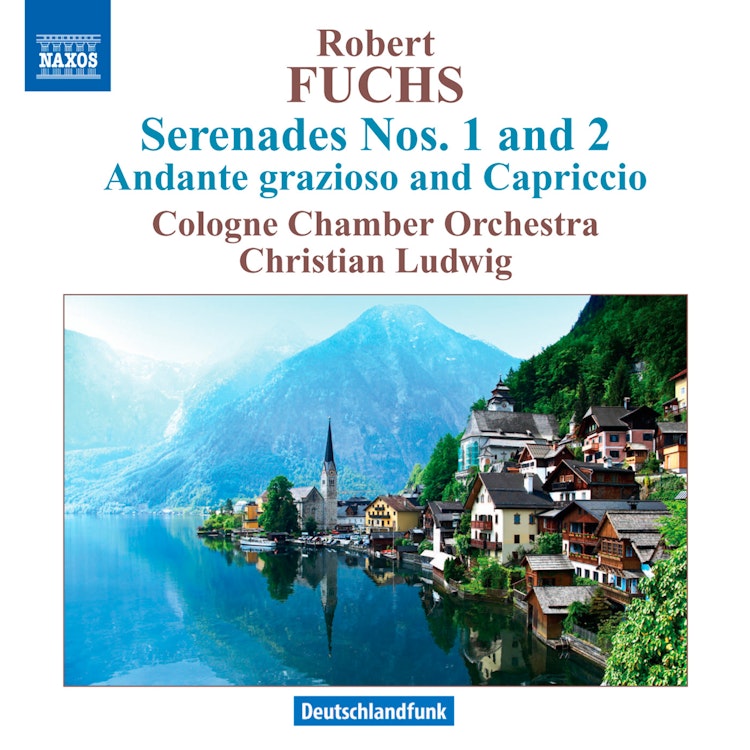
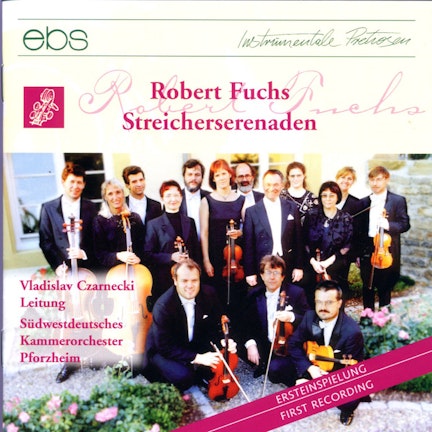
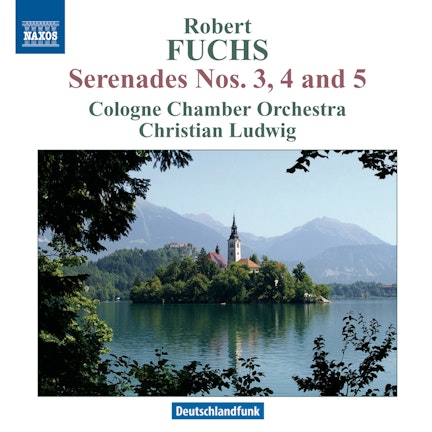
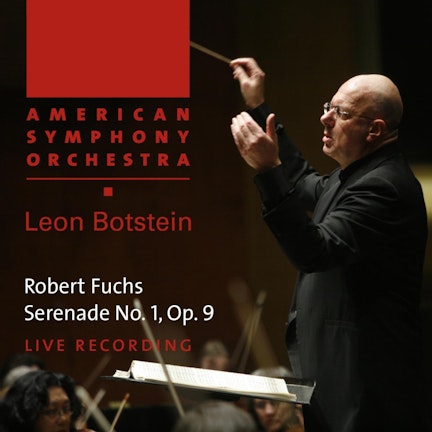
Johannes Brahms, known for his sarcasm, described Robert Fuchs's music as "so fine, so skilful, so charmingly invented, that one always has pleasure in it."
Performer Biography
Christian Ludwig, the conductor, gave up a successful career as a violin soloist to study orchestral and choral conducting after a hand injury.
Composer Biography
Robert Fuchs taught many famous composers at the Vienna Conservatoire, including Gustav Mahler, Jean Sibelius, and Hugo Wolf.
Historical Context
After his death in 1927, Robert Fuchs's music largely disappeared from public awareness, overshadowed by the new serialism of composers like Schoenberg.
Composer Biography
Robert Fuchs, the composer, was the youngest of thirteen children and was proficient on piano, organ, violin, and flute from a young age.
Composition History
Robert Fuchs's Serenade No. 1 was a great success in 1874, with critics praising its "regular and pleasing" form.
Composer's Artistic Vision
Robert Fuchs believed that music without many key changes sounded "very old," no matter how beautiful the sonorities.
You might also enjoy...
LCO Live: Vaughan Williams, Suk, Dvořák
Dvorak & Suk: Sérénades tchèques
Portrait - Orchestral Works by Dvorak, Janacek & Klengel