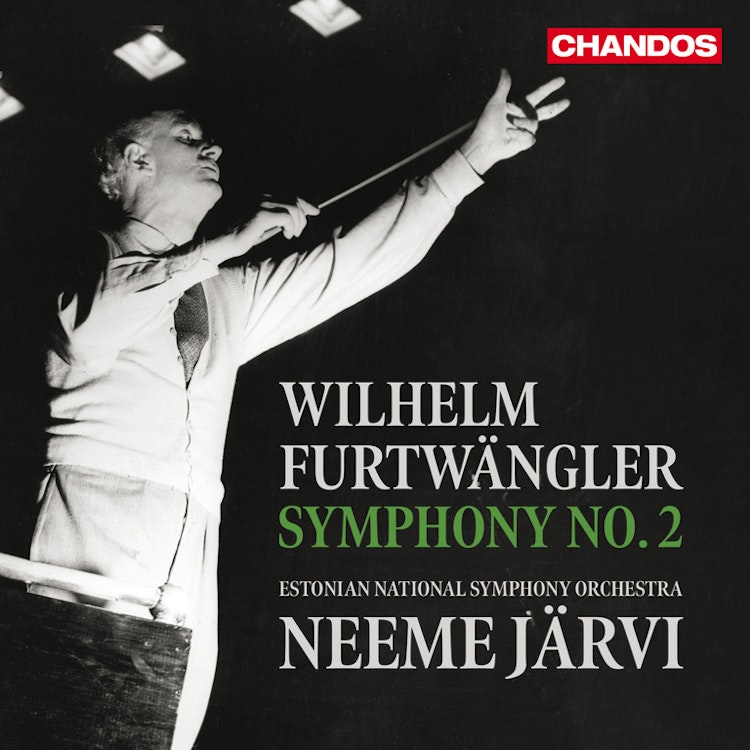
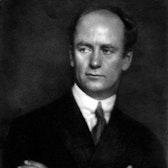
Furtwängler, despite not being a Nazi sympathizer, was prevented from leaving Germany by Nazi authorities and was later used as a propaganda tool due to his international renown.
Composer's Artistic Vision
Furtwängler's approach to music was more akin to a composer's, viewing scores as symbols of an imaginative conception rather than a final statement, a contrast to his contemporary Arturo Toscanini.
Performer Biography
Neeme Järvi, the conductor on this album, is a highly esteemed maestro with a discography of nearly 500 recordings and has held chief conductor positions with prominent orchestras worldwide.
Composition History
The 'Hindemith Affair,' where Furtwängler defended composer Paul Hindemith against Nazi condemnation, stimulated Furtwängler to finish his Piano Quintet and subsequently produce several other major works.
Historical Context
Furtwängler's return to serious composition in the mid-1930s coincided with a dangerous period in Germany's cultural and political life under the Nazis.
Composition History
Furtwängler began working on his Second Symphony, the score for which he is best known today, in Switzerland after fleeing Germany in January 1945 to avoid arrest by the Gestapo.
Composer Biography
Wilhelm Furtwängler, known as a great conductor, initially saw himself foremost as a composer and took up conducting partly to champion his own music.
You might also enjoy...
Otto Winter-Hjelm Complete Symphonies
Bruch: Symphonies Nos.1-3
Bruch: Symphonies and Concerto for 2 pianos
Raff: Symphonies Nos. 4 and 11
Raff: Symphonies Nos. 8 and 9
Ferdinand Hiller: Symphony op. 67 & Symphony in F minor