The oratorio uses the ancient Greek myth of Andromeda and Perseus as an allegory for the Passion of Jesus, with characters like Andromeda representing the human soul and Perseus representing Christ.
Historical Context
German-language oratorios were a relatively new development in the early 18th century, only gaining popularity in monasteries from the 1720s onwards.
Composition History
The authorship of this oratorio was initially misattributed to Antonio Caldara, but stylistic analysis and a reliable source from Kremsmünster confirmed Fux as the composer.
Composer Biography
Johann Joseph Fux, one of the most important Austrian Baroque composers, was born in 1660 as a farmer's son and rose to become Court Musical Director in Vienna.
Compositional Technique
Fux's composition, scored exclusively for strings, demonstrates refined orchestration, including the use of two solo celli in the introduction and virtuosic violin passages.
Composition History
This oratorio was long believed lost, with only a manuscript libretto surviving until 2004, when the music was rediscovered in a Bavarian monastery.
Composition History
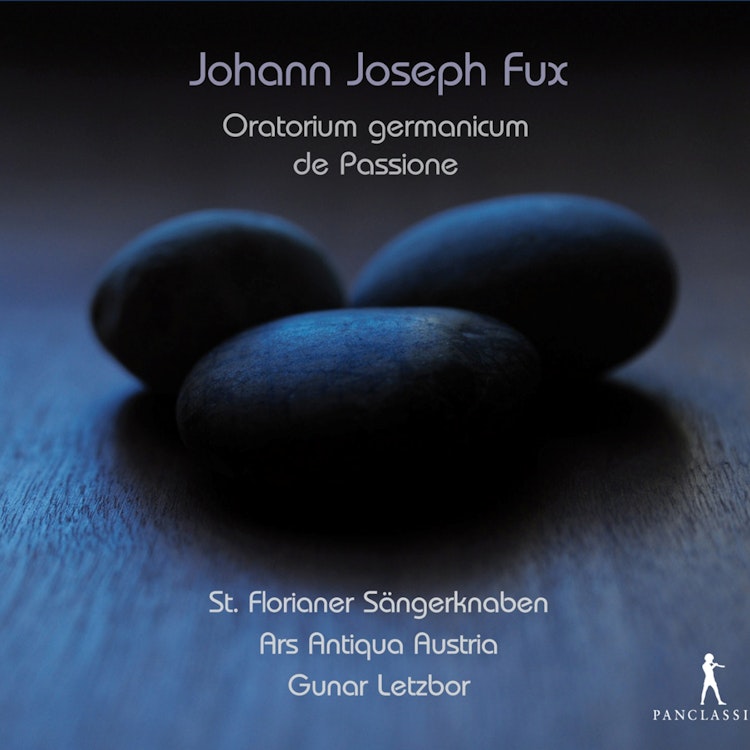
Fux's "Oratorium germanicum de Passione" is considered his final oratorio and is unique among his 13 known oratorios for being his only one in German.
You might also enjoy...
Schütz: Historia der Geburt und Auferstehung Jesu Christi
Antonio Maria Bononcini – La decollazione di San Giovanni Battista