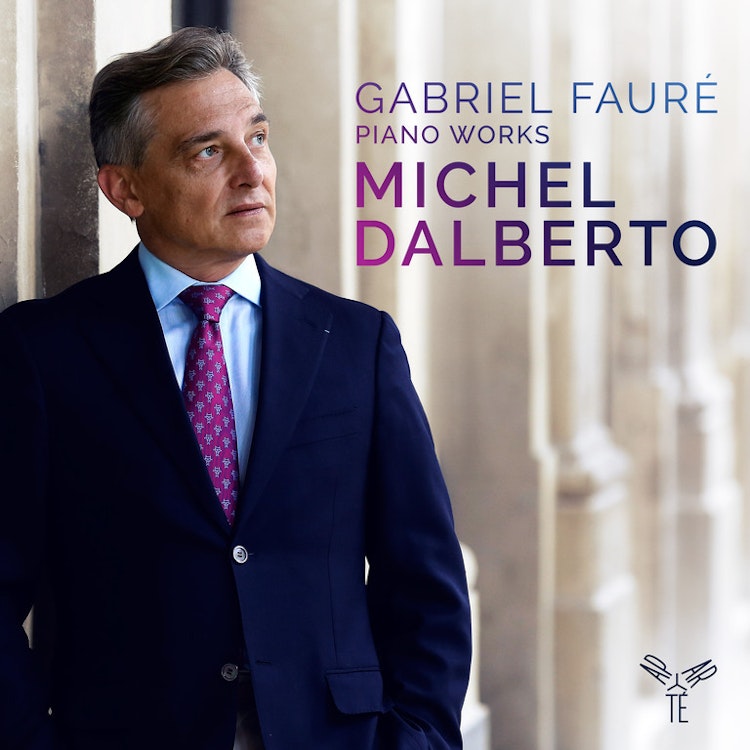
Michel Dalberto, the performer, initially disliked Fauré's music as a student, only coming to appreciate it through chamber music and the teaching of Jean Hubeau.
Historical Context
The pain and suffering in Fauré's later works are largely attributed to the political environment and unprecedented violence of the First World War, its build-up, and aftermath.
Compositional Technique
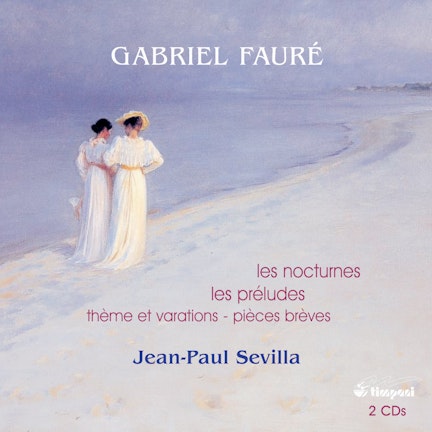
Fauré's later piano writing, particularly in Nocturnes Nos. 9, 11, and 13, often concentrates themes in the middle of the keyboard with few large intervals, partly due to his hearing problems.
Composer Biography
Camille Saint-Saëns, a professor of Fauré's, had a significant influence on the young composer and maintained an unfailing friendship with him until Saint-Saëns's death in 1921.
Instruments
The piano used for this recording is a Bechstein N° 53 210, with technician Denijs de Winter.
Composer Biography
Gabriel Fauré's musical training at the École Niedermeyer, founded by Louis Niedermeyer, focused on classical and religious music, contrasting with the Paris Conservatoire.
Recording & Production
This album was recorded live in concert by Little Tribeca at the Conservatoire national supérieur d'art dramatique de Paris on January 7, 2017.
You might also enjoy...
Fauré: Nocturnes, Barcarolle, Impromptu & Theme and Variations