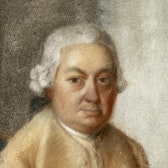
Carl Philipp Emanuel Bach's Sonata for oboe and basso continuo in G minor shows a striking difference from his father's style, with melody dominating counterpoint and rapid changes of 'Affekte', foreshadowing Sturm und Drang.
Composer Biography
Johann David Heinichen, called 'the Rameau of Germany' by Charles Burney, was Kapellmeister of the Dresden court and author of the most important German essay on continuo playing.
Composer Biography
Johann Philipp Kirnberger, a pupil of Johann Sebastian Bach, is known for his widely used harpsichord tuning system and was active in Berlin and Potsdam.
Compositional Technique
Four of the five works on this album end with a minuet, a common characteristic in oboe sonatas, possibly linked to the instrument's French origins and early use by Lully.
Compositional Technique
Telemann's Sonata in B flat major (TWV41:B6) is formally unusual, with operatic elements like orchestral ritornelli and da capo aria form in its central movements.
Historical Context
Many manuscripts by Johann David Heinichen, an influential German composer, were lost during the Allied bombing of Dresden in February 1945.
Historical Context
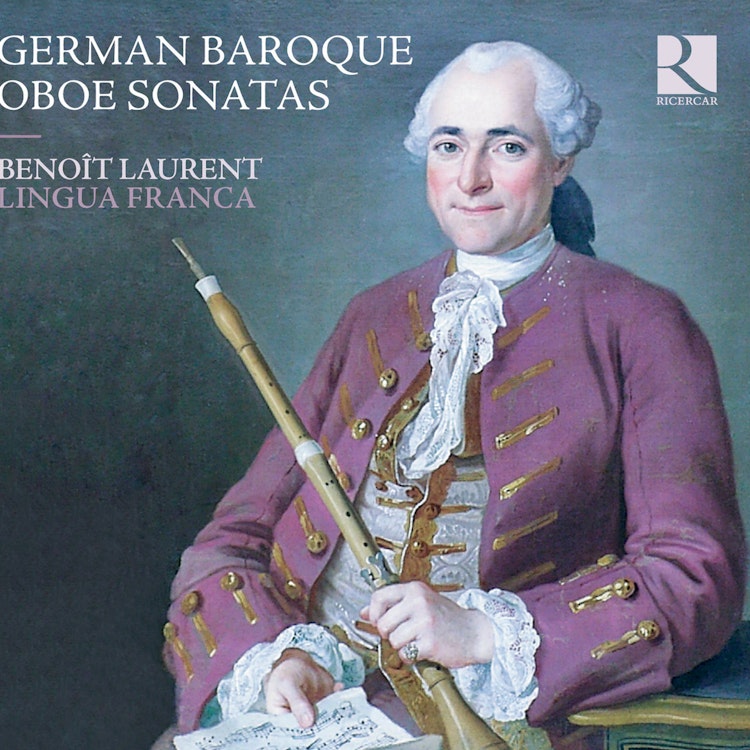
The oboe, though of French origin, became a favorite instrument in Germany during the early 18th century, used in sacred music, opera, and chamber music.