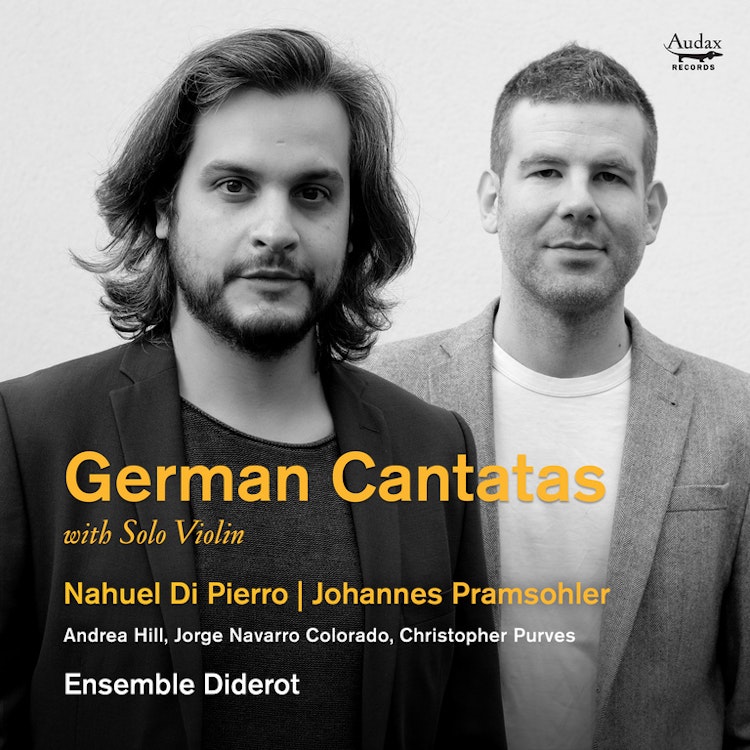
Georg Philipp Telemann, a prominent German Baroque composer, praised his father-in-law Daniel Eberlin as an "erudite contrapuntist, excellent violinist."
Instruments
The recording uses period instruments, including a P. G. Rogeri violin from Brescia, 1713, and an 18th-century German double bass.
Recording & Production
This album features a world premiere recording, indicating that some of the works included have not been previously released on disc.
Interpretation
The performers chose repertoire for this recording that highlights the violin as an equal partner to the singer, often emphasizing the text's message.
Compositional Technique
The violin playing in Central Germany during this period, particularly in Saxony and Thuringia, was highly developed, featuring advanced double-stop and upper-position techniques.
Historical Context
In 1685, the birth year of Johann Sebastian Bach, violinist Daniel Eberlin was appointed Kapellmeister in Eisenach, tasked with reorganizing the ducal court chapel.
Composer Biography
Daniel Eberlin, a highly esteemed violin virtuoso, traveled to Rome in his youth and met composers like Lelio Colista, Francesco Foggia, and Orazio Benevoli.
You might also enjoy...
Soundscape - Leonardo da Vinci
Rameau: Six Concerts en Sextuor
Hotteterre: Music for Flute, Vol. 2 - Deuxieme Livre De Pieces
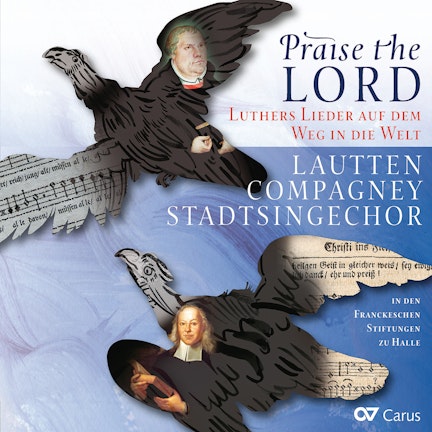
Praise the Lord: Luthers Lieder auf dem Weg in die Welt
Praise the Lord. Luthers Lieder auf dem Weg in die Welt
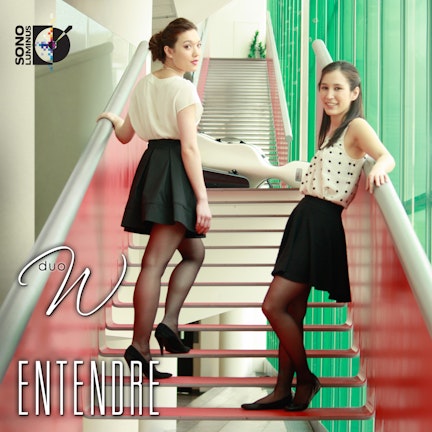
duoW: Entendre
Alexander Alyabyev: Chamber, Orchestra, Incidental Music
The Golden Violin
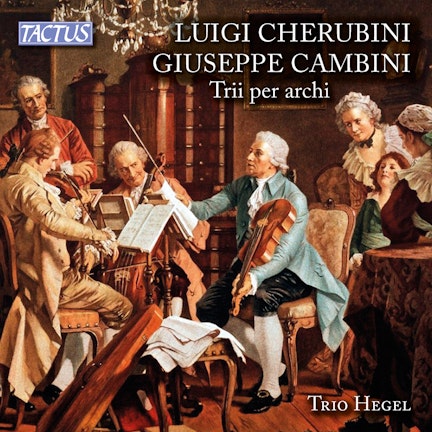
Cherubini & Cambini: String Trios
Eccard: Sacred & Secular Works
Schmelzer: Sacro-profanus concentus musicus
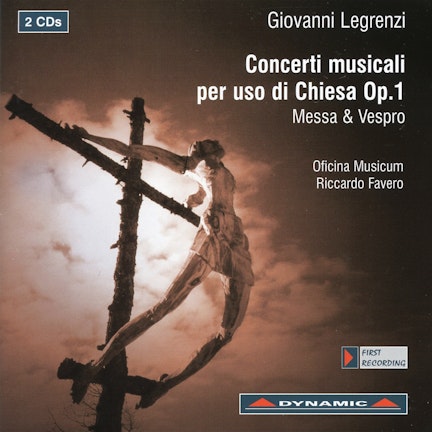
Legrenzi: Concerti musical per uso di chiesa, Op. 1