Gesualdo's later works, specifically his Fifth and Sixth Books of Madrigals from 1611, with their visionary harmonies, would influence Igor Stravinsky three centuries later.
Critical Reception
During his lifetime, Carlo Gesualdo was widely recognized as an extraordinary composer, with critics comparing him to Dante for the gravity of his style, in contrast to Luca Marenzio's sweetness.
Composer's Artistic Vision
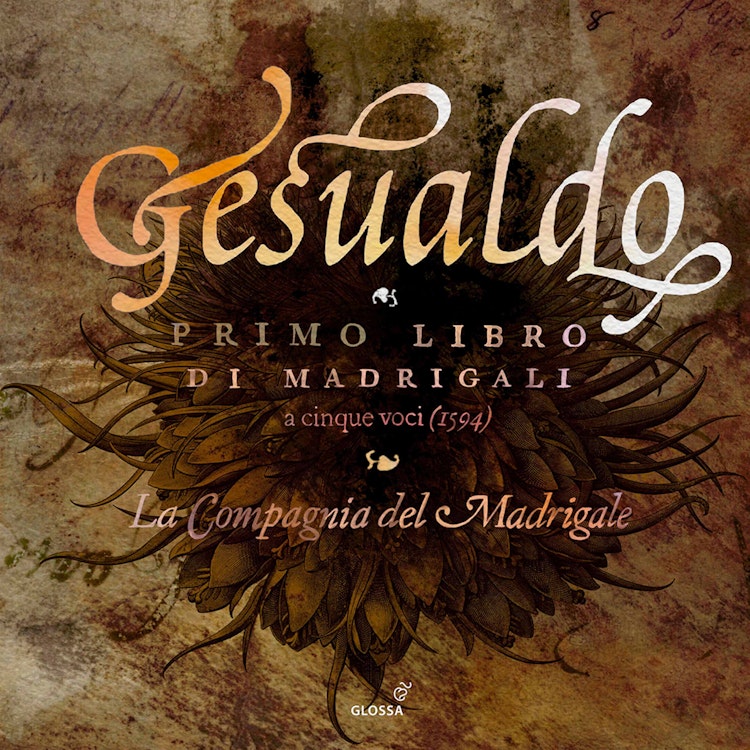
The First Book of Madrigals showcases a younger Gesualdo, distinct from his later experimental style, yet already demonstrating clear, faultless, and effective musical solutions.
Composition History
Carlo Gesualdo's First Book of Madrigals was initially published in 1591 under the name of Giuseppe Piloni, a friend of composer Jean de Macque, as it was not socially accepted for a nobleman to publish music under his own name.
Composer Biography
Carlo Gesualdo, a prince, was 28 years old when his First Book of Madrigals was officially published in 1594, which was considered a bit late for an editorial debut for a madrigal composer.
Compositional Technique
Gesualdo's First Book of Madrigals includes his only setting of a sonnet, 'Mentre madonna il lasso fianco posa,' with lyrics by Torquato Tasso.
Recording & Production
This album completes a multi-year project by La Compagnia del Madrigale to record all of Carlo Gesualdo's madrigals for the Glossa record label, a project that began over twenty years ago.
You might also enjoy...
Gesualdo, Nenna & Others: Madrigals
Gesualdo, C.: Madrigals, Book 5 (La Venexiana)
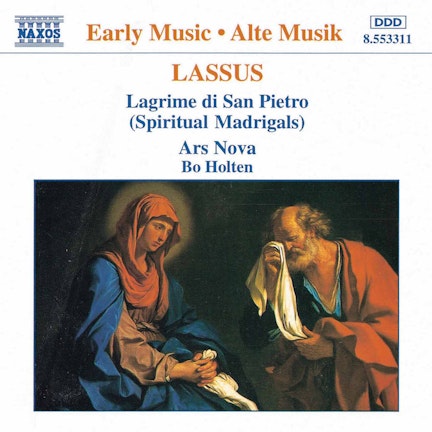
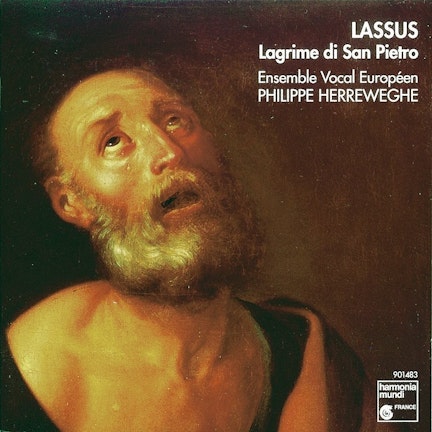
Lasso: Lagrime di San Pietro
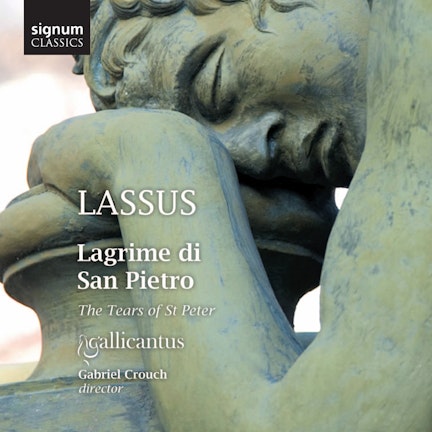
Lassus: Lagrime Di San Pietro
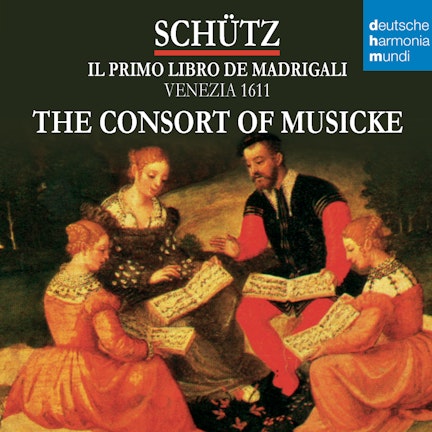
Schütz - Il primo libro de madrigali
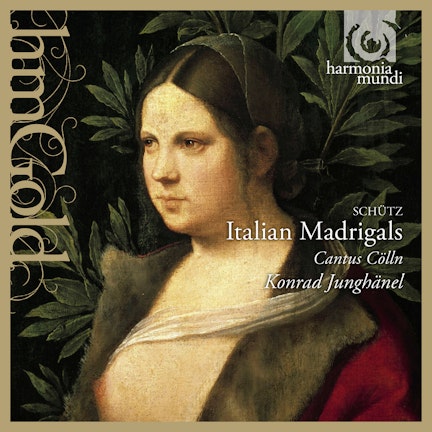
Schütz. Madrigaux italiens SWV 1-19
Lassus: Lagrime di San Pietro
Claude Le Jeune : Le Printemps
Gesualdo: Dolcissima mia vita. Madrigali a cinque voci, Libro quinto (1611)
Lassus: Lagrime di San Pietro
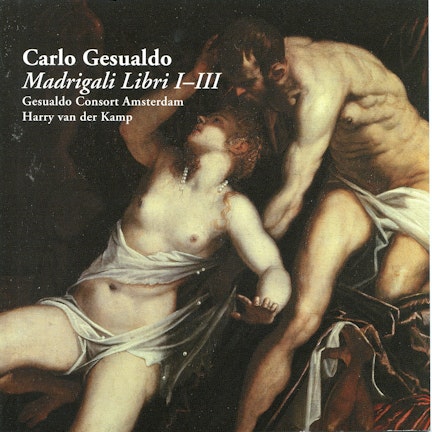
Gesualdo: Madrigali, Books 1-3
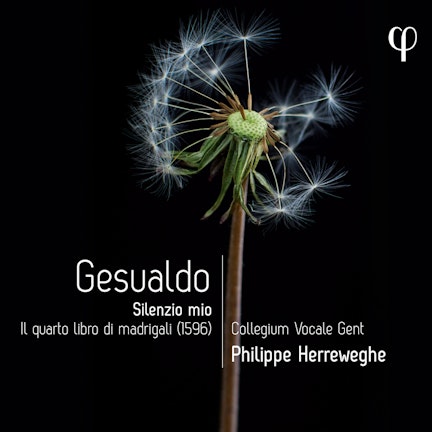
Gesualdo: Silenzio mio. Il quarto libro di madrigali