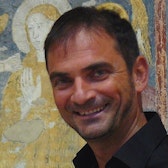
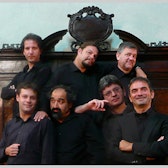
Marco Longhini, the conductor of Delitiæ Musicæ, has an extensive discography and is the first conductor to record the complete Madrigals of Monteverdi.
Composer's Artistic Vision
Gesualdo, as an aristocrat, was free from the need to seek public approval or monetary gain, allowing him to focus on musical experimentation and 'art for art's sake'.
Composer's Artistic Vision
Gesualdo often commissioned texts from poets, choosing them for their potential to inspire new sensations in sound rather than the author's fame, even rejecting works by Torquato Tasso.
Composition History
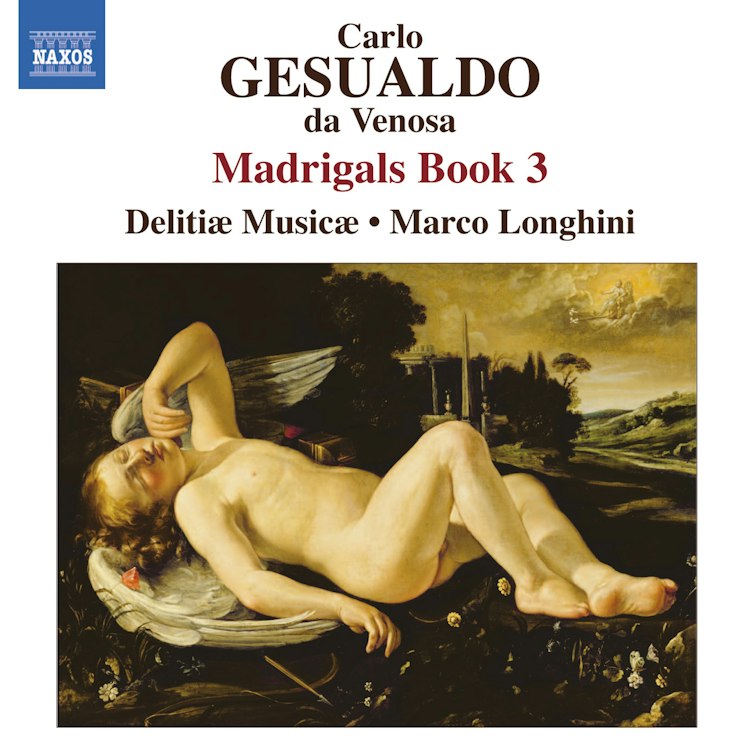
Carlo Gesualdo, Prince of Venosa, published his Third Book of Madrigals in Ferrara in 1595, with later reprints by the Venetian publishing house Gardano.
Composer Biography
Gesualdo's music from this period reflects his anger and emotional turbulence following his wife's infidelity and the subsequent murders, which made him a 'vengeful wife-killer'.
Composition History
The complete madrigals of Gesualdo were published in score form (partitura) in 1613, a rare practice at the time, possibly to clarify performance of his chromaticisms.
Compositional Technique
Gesualdo's Third Book of Madrigals marks a change in his style, featuring intense contrasts, innovative dissonance, and expressions of irreconcilable elements.