The performance practice of the time allowed for flexible ensemble sizes, meaning L'uomo in bivio could be performed by 10-12 musicians or up to 40 for a larger sound.
Composer Biography
Giannettini held the prestigious position of music director for Duke Francesco II d'Este in Modena from 1686 until his death in 1721.
Critical Reception
Despite the high quality of his scores, Antonio Giannettini remains surprisingly unknown, with his works rarely performed or studied, unlike his contemporaries Stradella and Pasquini.
Composer's Artistic Vision
The oratorio's scene with an open grave is a direct reference to the spiritual exercises designed by Ignatius of Loyola for meditation.
Composition History
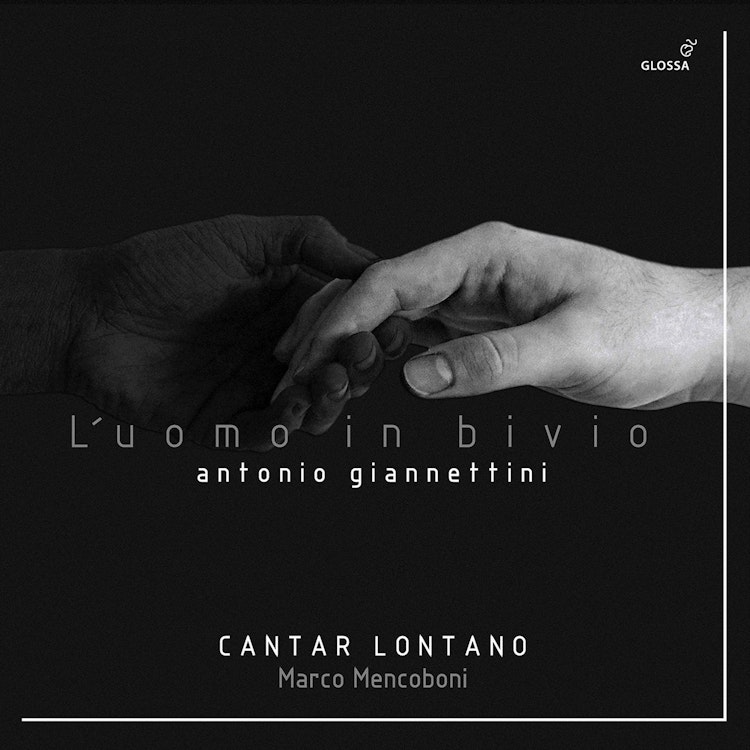
Giannettini's oratorio L'uomo in bivio (Man at the crossroads) was first performed in 1687, and its printed libretto is preserved in Modena.
Compositional Technique
Giannettini's oratorio L'uomo in bivio is scored for four voices (soprano, alto, tenor, and bass) and instrumental parts for two violins and continuo.
Composer Biography
Antonio Giannettini, an Italian composer and singer, was born in Fano in 1649 and may have studied with Legrenzi while working as a bass singer in Venice.
You might also enjoy...
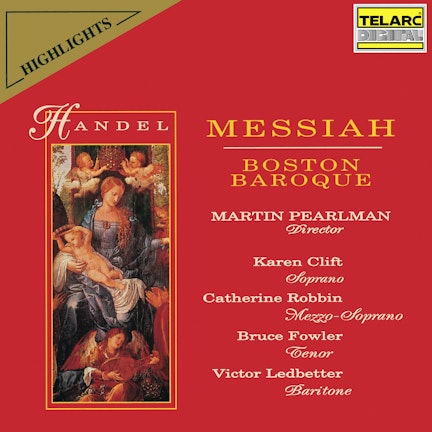
Handel: Messiah, HWV 56 (Highlights)
Stölzel: Ein Lämmlein geht und trägt die Schuld
Handel, G.F.: Samson [Oratorio] (Mcgegan)
Händel: Messias
Haydn: Die Schöpfung
Haydn: Die Schöpfung - Sung in German [The Creation]
J.S. Bach: Christmas Oratorio
Handel: Messiah - Highlights
Bach: Christmas Oratorio
Handel: Messiah HWV56
Handel: Messiah Highlights
Haydn, F.J.: Schopfung (Die) (The Creation) [Oratorio]