The dramatic and musical innovations in Orfeo ed Euridice had widespread repercussions, with the opera being performed across Europe, from St Petersburg to Dublin, before the end of the 18th century.
Composer's Artistic Vision
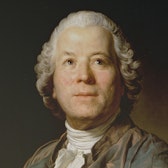
The composer Gluck, along with his librettist Ranieri de' Calzabigi, sought to reform opera by returning to 'ancient, uncorrupted ways', inspired by the classical revival of their time.
Compositional Technique
Orfeo's famous aria, 'Che farò senza Euridice', exemplifies the 'bella semplicità' (beautiful simplicity) advocated by Gluck and Calzabigi, using a simple rondeau form and diatonic C major.
Recording & Production
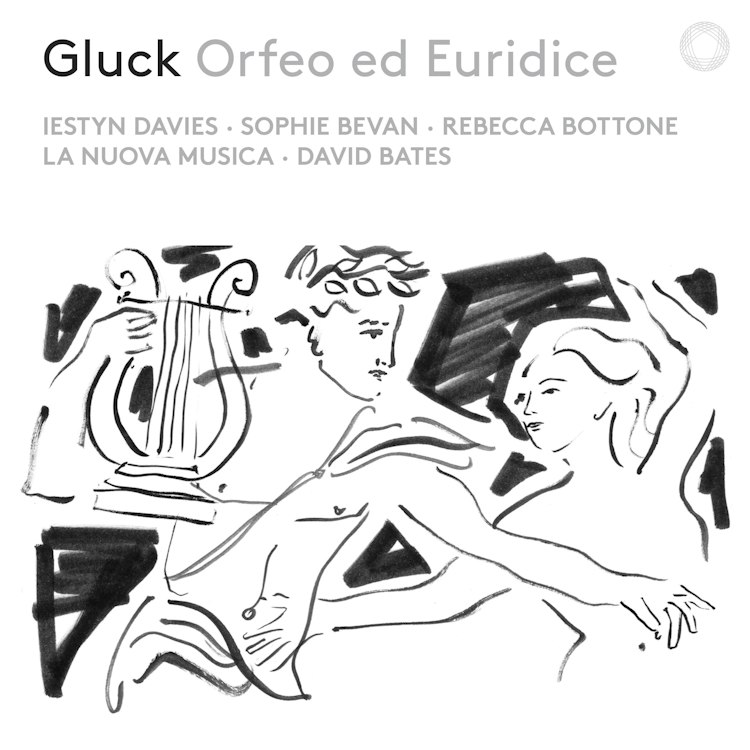
This recording is almost entirely faithful to the original 1762 Vienna version of Orfeo ed Euridice, with the only addition being an evocation of the Elysian Fields from Gluck's later Paris version.
Interpretation
The castrato singer Gaetano Guadagni, who played Orfeo, was trained by the celebrated Shakespearean actor David Garrick, promoting a realistic acting style over the bombastic style common in the 18th century.
Composition History
Gluck's opera Orfeo ed Euridice resulted from a collaboration in Vienna in the early 1760s, aiming to modernize opera seria.
Compositional Technique
Gluck's Orfeo ed Euridice combines arias, duets, dances, and numerous chorus numbers in a fluid way, departing from the strict alternating recitative and aria pattern of traditional opera seria.