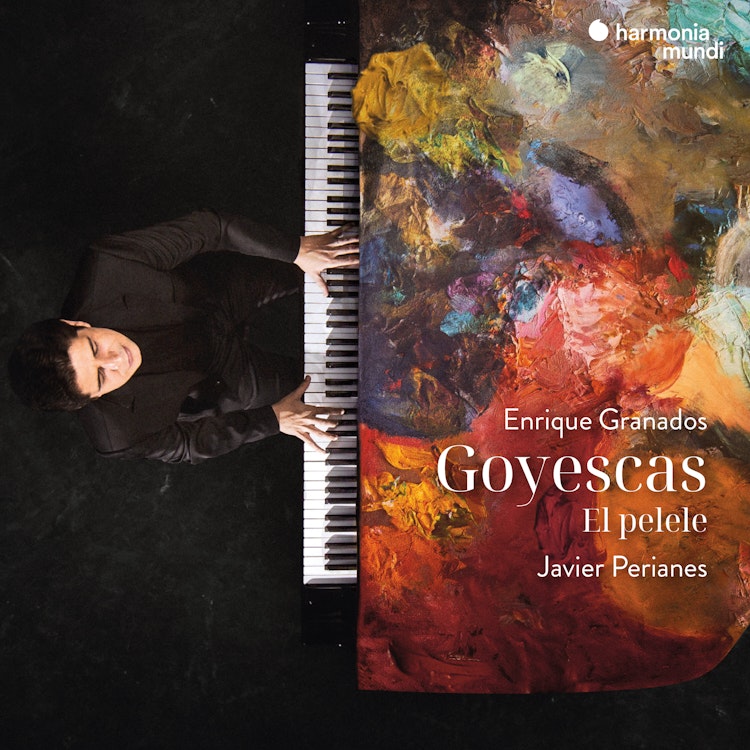
The Goyescas suite, considered Granados's pianistic masterpiece, was inspired by Francisco de Goya's tapestry cartoons and other works, depicting the people of Madrid.
Composition History
Granados discovered the works of Francisco de Goya, a Spanish painter, at the Prado Museum in Madrid in the late 1890s, which became a primary inspiration for his Goyescas.
Compositional Technique
Granados's musical aesthetic balances post-Romantic lyricism, historicist piano writing, and a modern reengagement with popular musical traditions, drawing from Valencian folksongs and Spanish traditional genres like the tonadilla, jácara, and fandango.
Compositional Technique
The piano writing in Goyescas constantly renews itself, incorporating guitar techniques like punteo, the flexibility of song, and the digitality of 18th-century keyboard sonatas, referencing Domenico Scarlatti.
Composition History
Granados structured Goyescas as a love story between a majo and a maja, from their meeting to the majo's death, concluding with the ghost's serenade.
Composer's Artistic Vision
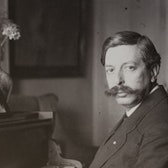
Enrique Granados, the composer, was deeply fascinated by the psychology and palette of Francisco de Goya, a Spanish painter, as well as his depictions of majos and majas.
Composer's Artistic Vision
Granados used the figures of majos and majas, young people from Madrid's working-class districts in the late 18th century, as inspiration for Goyescas, giving the piano a quasi-narrative dramatic force.
You might also enjoy...
Albeniz: Iberia & Navarra
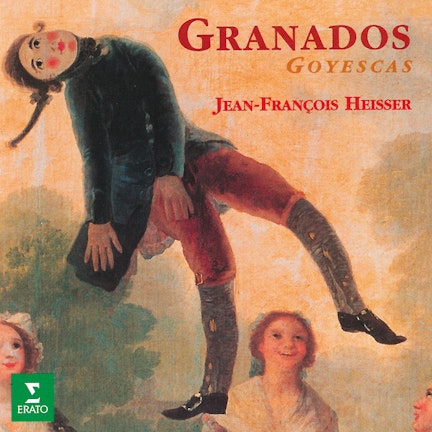
Granados: Goyescas
Alkan, Liszt, Prokofiev: Romantic Pieces For Piano