In Dupuy's motet Exurge Domine, each section has a specific writing style that illustrates the meaning of the Latin text, using different musical modes to convey emotions like 'grave and devout' or 'joyful and pastoral'.
Historical Context
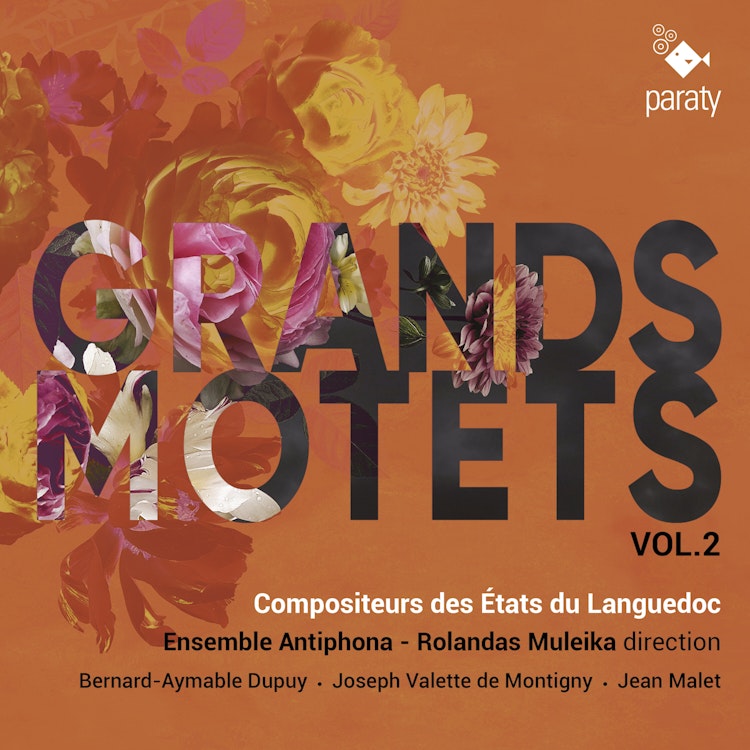
This album features three grand motets by composers Joseph Valette de Montigny, Bernard-Aymable Dupuy, and Jean Malet, all connected to the Languedoc States.
Historical Context
The Languedoc States, an institution in the South of France, organized grand concerts during its annual sessions, which were significant musical events throughout the French Old Regime.
Interpretation
The Ensemble Antiphona aims to promote the musical heritage of the Occitanie region by rediscovering and performing Baroque music from the South of France.
Recording & Production
The recording of these motets involved using facsimiles of original manuscripts or copies, allowing the musicians to identify historical performance clues.
Compositional Technique
Dupuy's motet Exurge Domine uses 'centonization,' meaning its text is assembled from verses or fragments of verses from various psalms (140, 29, 73, 12, 34, and 6).
Composer Biography
Bernard-Aymable Dupuy (1707-1789) composed his grand motet Exurge Domine for a competition in 1738 to become Master of Music at Saint-Étienne Cathedral in Toulouse, but he was not selected.
You might also enjoy...
Feo, F.: Missa Defunctorum / Confitebor
Francisco Corselli: Ceremonias Reales
Perti: Grand Motets
Österreich: Psalms & Cantatas
Bernhard: Geistlicher Harmonien & Other Sacred Concertos
Steffani: Duets of Love & Passion
Marcello: Lo Speccio della Nostalgia
Hasse: Opera Arias
Erlebach, P.H.: Cantatas
Hasse Cantatas, Vol. 1
Biber: Vespro della Beata Vergine - Kerll: Missa in fletu solatium
Ignacio Jerusalem: Musicisti pugliesi in archivi ibericia