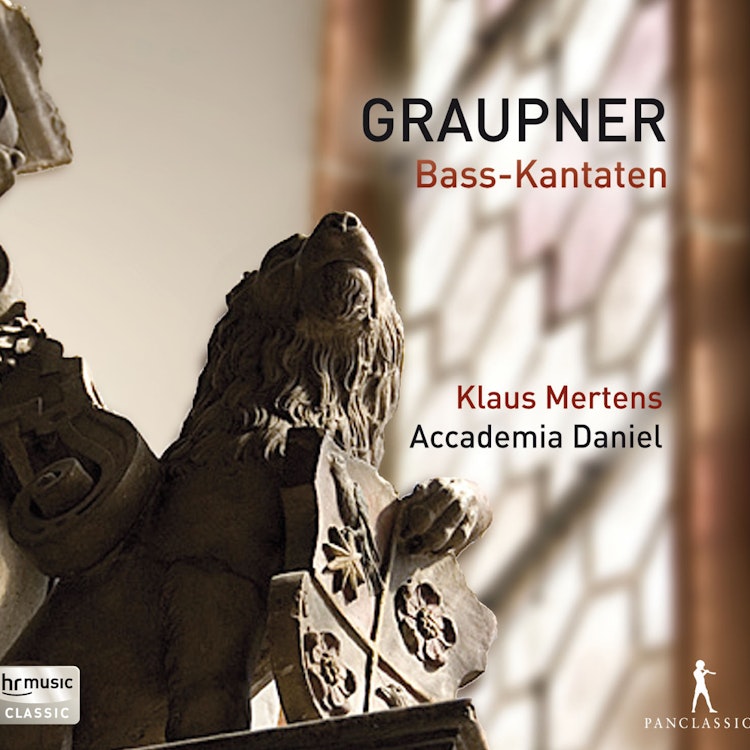
The chalumeau, a woodwind instrument with a soft tone, was fashionable in Graupner's time and is used as a solo instrument in the Suite in B Flat on this album.
Composition History
Graupner's solo cantatas for bass, including those on this album, were likely composed for Gottfried Grünewald, a talented bassist and Vice Chapel Master whom Graupner brought from Hamburg to Darmstadt.
Composition History
None of Graupner's cantatas were printed during his lifetime, which significantly limited their widespread recognition, as printing was crucial for a composer's fame beyond their local region.
Critical Reception
Graupner's church music was highly esteemed during his lifetime, with a 1781 biography noting that listeners were "in awe of it and felt themselves to be in a different world."
Composer Biography
Christoph Graupner, the composer, was offered the prestigious position of Thomaskantor in Leipzig in 1723, but he chose to remain in Darmstadt; Johann Sebastian Bach subsequently took the role.
Historical Context
After an unresolved inheritance dispute, Graupner's original scores were locked away for decades after 1800, leading to his cantatas being largely forgotten, despite being preserved as historical documents.
Instruments
The cantata "Wie wunderbar ist Gottes Güt" features a part for the oboe d'amore, which is considered one of the earliest extant compositions for this then-new instrument.
You might also enjoy...
Johann Sebastian Bach: Solokantaten und Oboenkonzert
Bach, J.S.: Mein Herze Schwimmt Im Blut / Ich Habe Genug (Kirby)
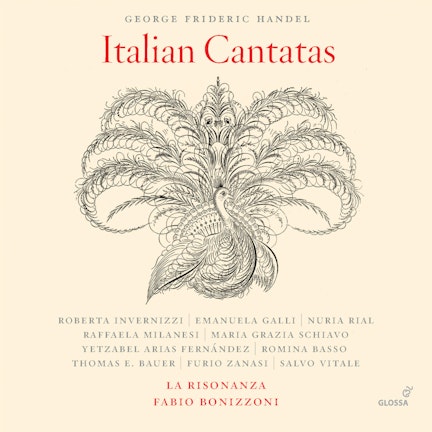
Handel: Italian Cantatas
Handel: Italian Cantatas for Bass
Handel: The Italian Cantatas for Bass
Bach, J.S.: Soprano Cantatas, Bwv 199, 202 and 209