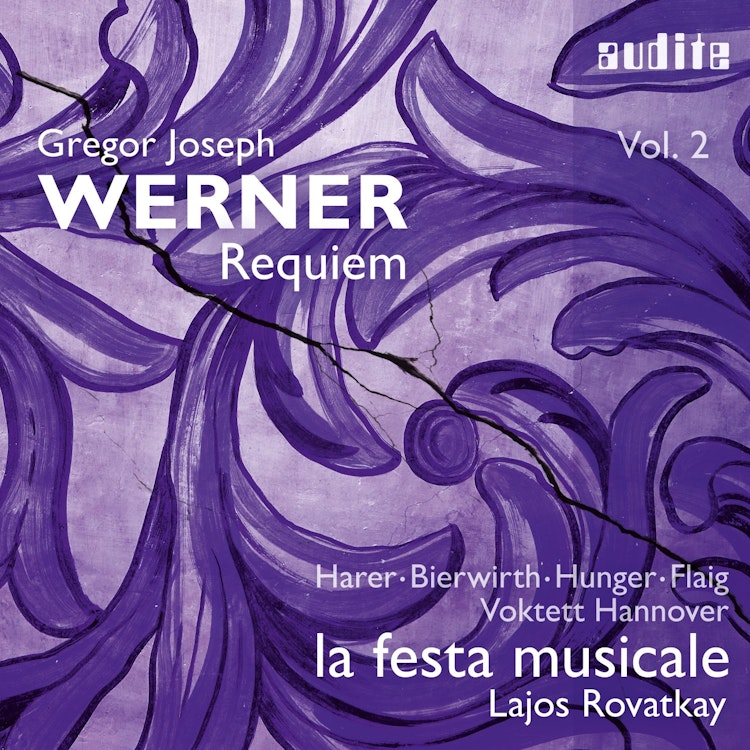
Gregor Joseph Werner (1693-1766), a largely unknown composer, used dark, shimmering colors and dramatic means to elevate his Good Friday, requiem, and penitential psalm texts with fervent individual spirituality.
Composition History
The 'VI fugues' published by Haydn in 1804, initially of unknown origin, were later clarified in 1963 to be introductions to six of Werner's oratorios.
Recording & Production
This album is the second volume in a musical survey of the works of Gregor Joseph Werner, recorded in January 2022 at the Neustädter Hof- und Stadtkirche St. Johannis in Hanover.
Composition History
Joseph Haydn, the 'father of Viennese classicism', held his predecessor at the Esterházy court, Gregor Joseph Werner, in high esteem, publishing six of Werner's fugues towards the end of his own life.
Compositional Technique
Werner's Requiem in C minor uses two trombones to assist in the dramatic interplay of choral and solo passages, contributing to its ominous sense of darkness.
Compositional Technique
Werner's music demonstrates superior contrapuntal mastery, using polyphony and counterpoint as vehicles for progressive harmonic expression, similar to Viennese classicism.
Composer's Artistic Vision
Werner was one of the last composers to master the traditional stile antico 'alla Palestrina', intensifying it melodically and harmonically, inspired by his Viennese teacher Antonio Caldara.
You might also enjoy...
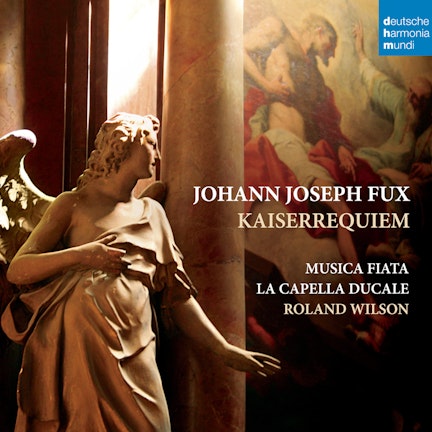
Fux: Kaiserrequiem
Van Delden: Chamber Music
Like a Moth to a Flame
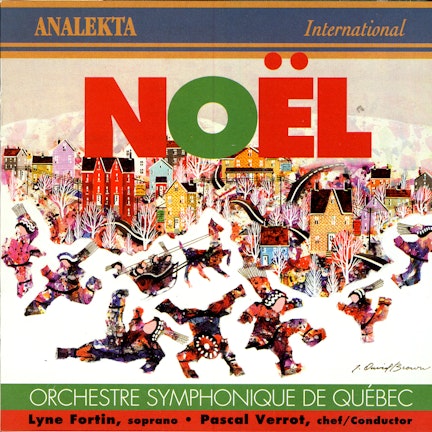
Noël
Boccherini/Hoffstetter/Haydn/Pokorny
Binchois, G.: Choral Music
Marini & Castello
Variations on Buenos Aires
Missa Mexicana
Musik zur Weihnacht aus der Marktkirche Wiesbaden
Stranz: nicht mehr - noch nicht / Contrasubjekte / Musik für Klavier und Orchester Nr. 2 / Tanzmusik / Anabasis / Aus dem Zusammenhang