A meeting with Franz Liszt in Rome in the early 1870s, where Liszt sight-read Grieg's Violin Sonata and Piano Concerto with great approval, was crucial to Grieg's evolving destiny.
Composer's Artistic Vision
Grieg's encounter with Rikard Nordraak, whose obsession with Scandinavian sagas and music, inspired Grieg to believe in the possibility of a national music.
Cultural Impact
The incidental music Grieg composed for Henrik Ibsen's play, Peer Gynt, has maintained an honored place in the orchestral repertoire ever since.
Instruments
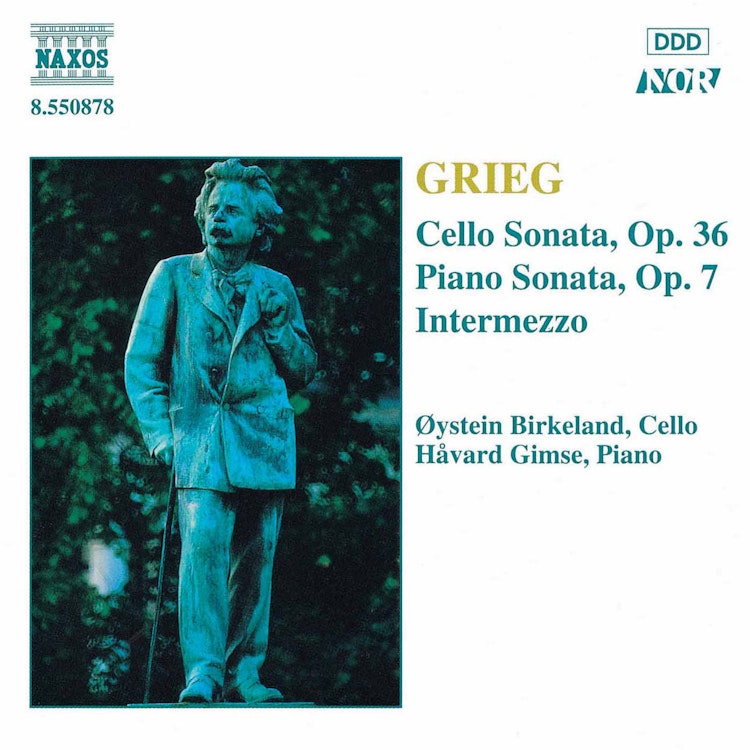
Øystein Birkeland, the cellist on this recording, plays a Francesco Ruggieri cello made in Cremona in 1680, provided by the Union Bank of Norway.
Composition History
The Cello Sonata, Opus 36, was composed as a result of a lucrative arrangement with Grieg's publishers in Leipzig, Peters, through his contact Max Abraham.
Composer Biography
Edvard Grieg, arguably the most popular composer ever to emerge from the Scandinavian peninsula, was born in Bergen, Norway, in 1843.
Notable Performances
At one of his last public appearances in 1906, Grieg played the Cello Sonata with the emerging young star, Pablo Casals.
You might also enjoy...
Grieg: 6 Ibsen Songs, Op. 25: No. 2, En svane (Arr. Lidström for Cello & Piano)
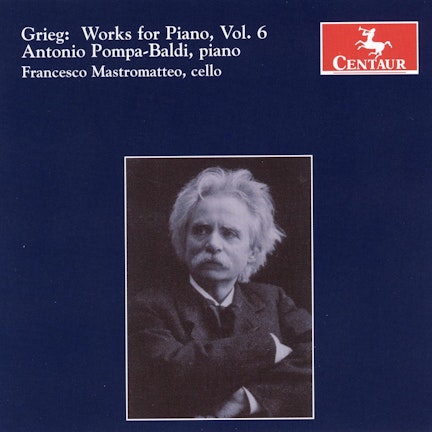
Grieg, E.: Piano Music, Vol. 6
GRIEG: Piano Transcriptions of Songs, Op. 52 / 23 Small Pieces
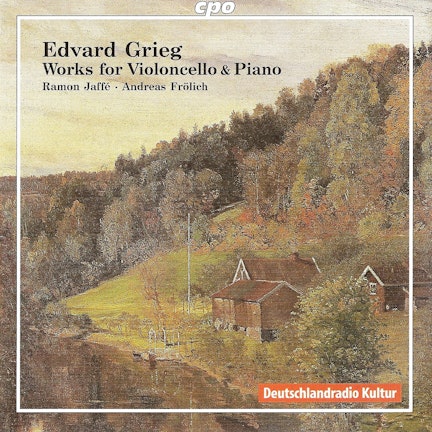
Grieg, E.: Cello and Piano Music
Grieg: Norwegian Folk Songs and Dances, Op. 17 and Op. 66
Grieg, E.: Piano Music, Vol. 2
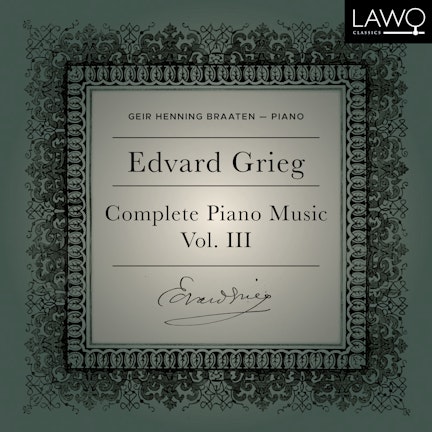
Edvard Grieg Complete Piano Music Vol. 3
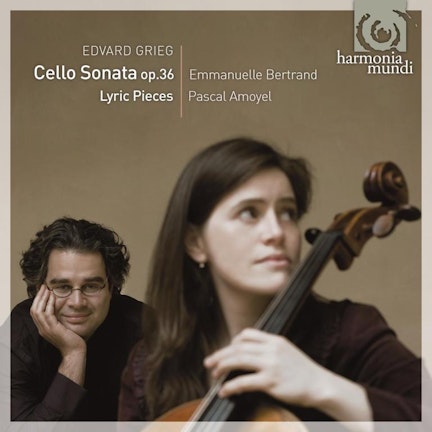
Grieg: Cello Sonata, Op.36
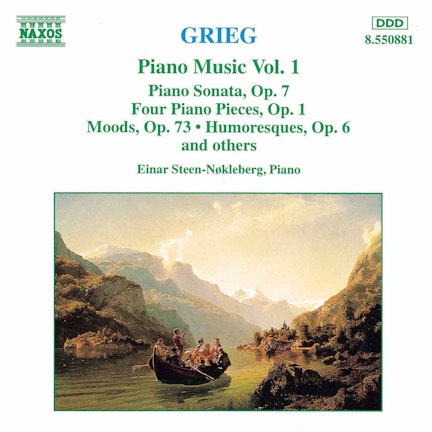
Grieg: Piano Sonata, Op. 7 / Stimmungen / 4 Piano Pieces, Op. 1
Grieg: Holberg Suite, Op. 40: I. Praeludium. Allegro vivace