Grieg's later piano music, such as 19 Norwegian Folk Songs Op. 66 and 17 Slåtter Op. 72, showcases his innovative fusion of advanced chromaticism and modality with free use of dissonance.
Composer Biography
Edvard Grieg (1843-1907) is considered the foremost composer of keyboard music in the Nordic countries due to his distinctive and nationally colored tonal language.
Critical Reception
Franz Liszt, upon first playing through Grieg's Piano Concerto in 1870, was so captivated by an unusual harmonic twist that he exclaimed, "G natural, G natural, not G sharp! Magnificent! It sounds so typically Swedish!"
Cultural Impact
Grieg's smaller piano works, particularly the 66 Lyric Pieces, gained vast popularity among amateur pianists worldwide and were used as high-quality instructional music.
Composition History
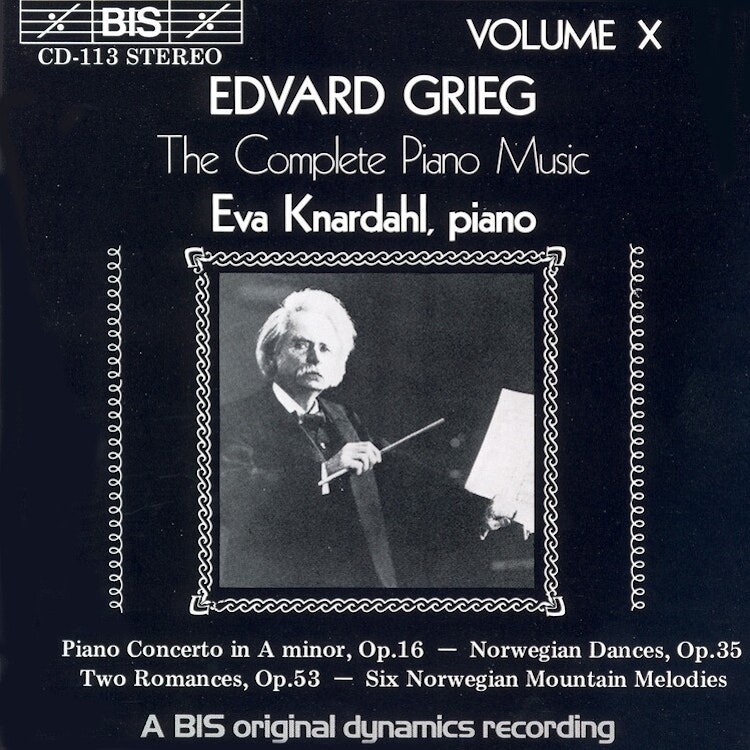
Grieg's Norwegian Dances, Op. 35, were written during a summer stay in Lofthus, Hardanger, and were intended both as teaching material for advanced pupils and to present folk music in a new way.
Composition History
Grieg conceived his Piano Concerto in A minor in a small garden house in Søllerød, Denmark, under the constructive criticism of Norwegian pianist Edmund Neupert, to whom he later dedicated the work.
Composer's Artistic Vision
Grieg's unique style was built on integrating elements of folk music, influenced by his friend Rikard Nordraak's ideas about independent Norwegian music.
You might also enjoy...
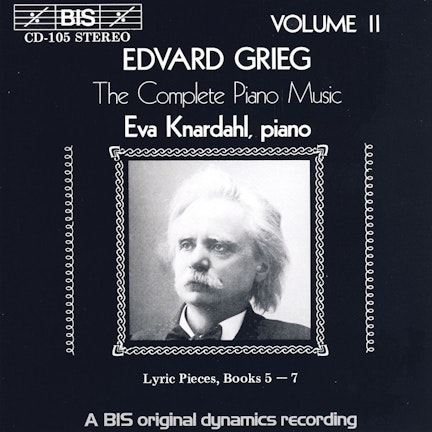
Grieg: Solo Piano Music, Vol. 2
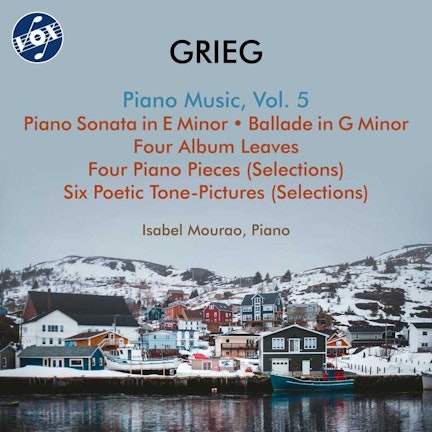
Grieg: Piano Music, Vol. 5
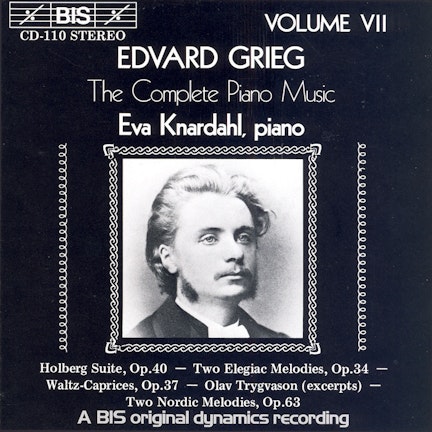
Grieg: Complete Piano Music, Vol. 7
Grieg: Piano Music, Vol. 3
Grieg: Nordische Tänze und Volksweisen
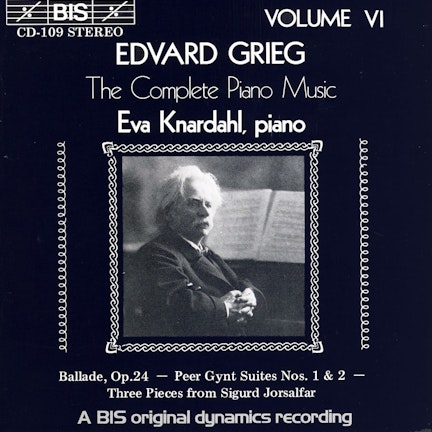
Grieg: Piano Music, Vol. 6
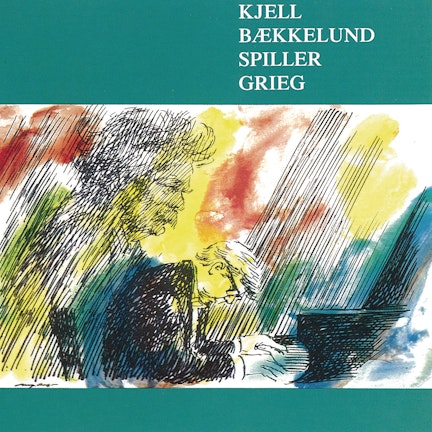
Kjell Bækkelund Spiller Grieg
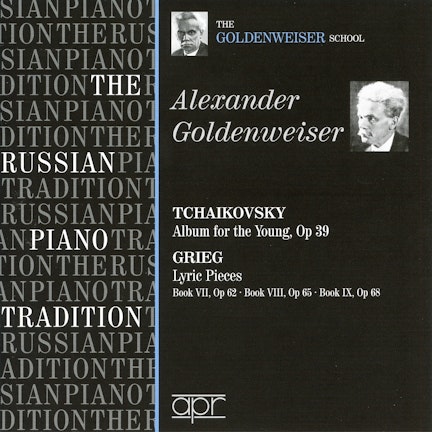
The Russian Piano Tradition: Alexander Goldenweiser (1952-1953)