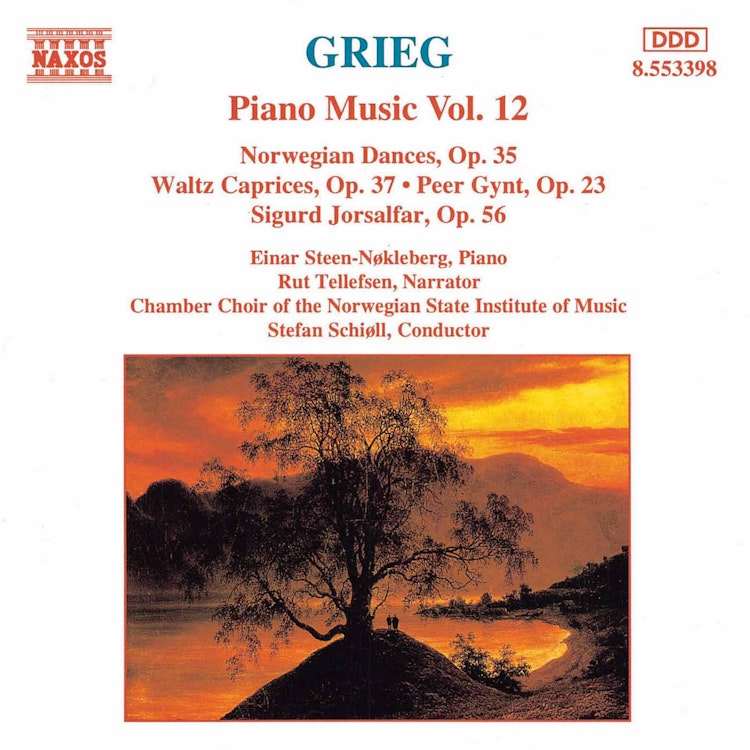
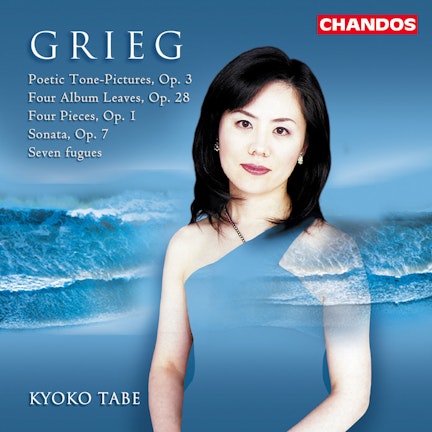
Grieg deeply resented the claim that his originality was limited to borrowing from folk-music, stating that a nationalistic spirit, expressed through folk-music, hovered over his original works.
Composer Biography
Grieg, despite his success, remained a restless soul throughout his life, feeling truly at home only on the concert platform and in the Norwegian mountains.
Compositional Technique
Grieg's interest in harmony was central to his work, and he used unfamiliar, 'radical' chord progressions to suggest the vague tonality found in many folk-songs.
Composer Biography
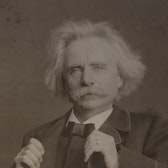
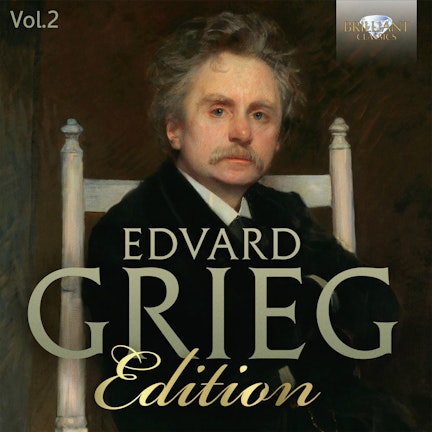
Edvard Grieg, the composer, was encouraged to pursue music by violinist and composer Ole Bull and was sent to the Conservatory in Leipzig at age fifteen.
Composer's Artistic Vision
Rikard Nordraak, a young composer, profoundly influenced Grieg's development by convincing him that Norwegian music's future lay in nationalism and folk-songs.
Critical Reception
In his later years, Grieg experienced a paradox where critics became more critical of his music, while his popularity among music-loving audiences increased.
Compositional Technique
Grieg considered rhythm paramount in his dance-inspired compositions, believing that a performer needed to know and feel the dance rhythm to play his works.