Gustav Mahler Symphony No. 4 in G major arr. for chamber ensemble by E. Stein
8/16/2024, 4 Tracks, 1:00:06
Featuring
Andrea Cappelleri
Ensemble C@n't tell it
Gustav Mahler
Did you know?
1/7
Composition History
Gustav Mahler's Fourth Symphony was first drafted in 1900, but its initial idea dates back to 1892.
Compositional Technique
Mahler's Fourth Symphony marked a return to 'normal' proportions with four movements and reduced orchestral forces, excluding trombones and tuba.
Critical Reception
Mahler's Fourth Symphony was initially met with a lukewarm reception, but over time became one of his most performed and beloved works.
Composer's Artistic Vision
The generative core of Mahler's Fourth Symphony was the Lied 'Das himmlische Leben' (The Heavenly Life), which also influenced his Third Symphony.
Composer's Artistic Vision
Mahler described the Fourth Symphony as containing "the serenity of a higher world, alien to us, which to our eyes has something scary and hideous."
Historical Context
Erwin Stein, who arranged Mahler's Fourth Symphony for chamber ensemble, was a Jewish composer and conductor who fled Austria in 1938 due to the Anschluss.
Composition History
The Fourth Symphony ideally concludes Mahler's 'Wunderhorn-Symphonien' cycle, which references Lieder from the folk song collection Des Knaben Wunderhorn.
You might also enjoy...
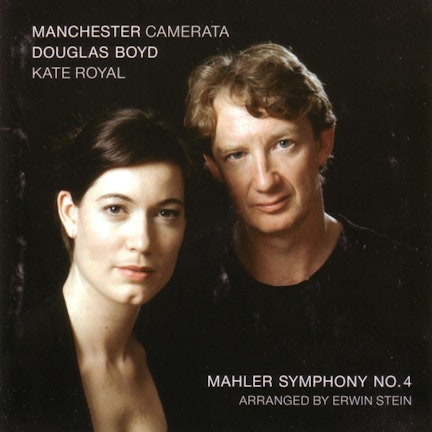
Mahler: Symphony No. 4 - Arranged By Erwin Stein
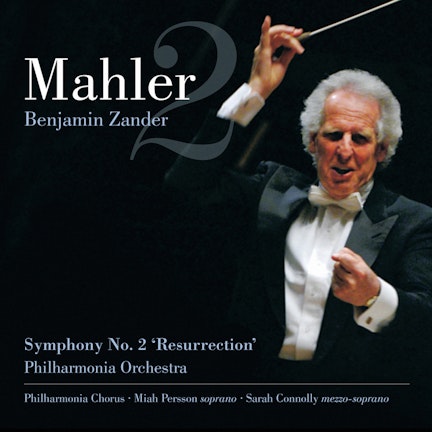
Mahler: Symphony No. 2 'Resurrection'
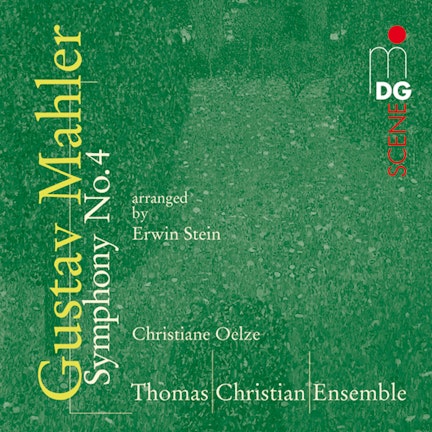
Mahler: Symphony No. 4
Mahler: Symphony No. 2 in C Minor "Resurrection"
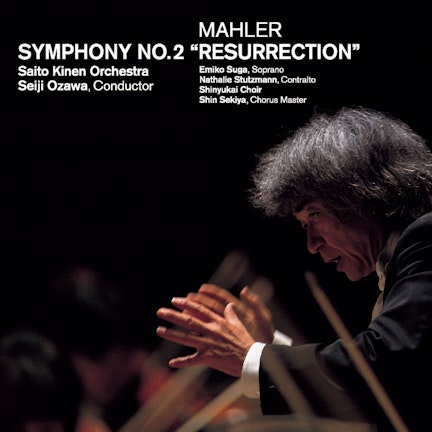
Mahler: Symphony No.2 "Resurrection"
Gustav Mahler: Symphony No. 2, "Resurrection" (Hajossyova, Priew, Berlin State Opera Chorus, Berlin Staatskapelle, Suitner)
Mahler - Resurrection Symphony
Mahler: Symphony No. 8 in E-Flat Major "Symphony of a Thousand" (Live)
Mahler : Symphony No.3
Mahler: Symphony No. 2 in C Minor "Resurrection"
Mahler: Symphony No. 2, "Resurrection"
Mahler: Symphony No. 8 in E-Flat Major "Symphony of a Thousand"