Rome was an important cultural center for musicians and literary figures, and Handel returned there several times, despite no opportunities for opera.
Compositional Technique
Handel reused music from Aminta e Fillide in later operas, with parts going into Agrippina and the overture's first movement appearing in Rinaldo.
Composer Biography
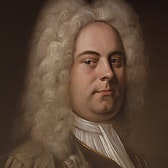
Handel traveled to Italy in 1706 with the encouragement of the Prince of Tuscany, who assured him it was an advantageous country for a young musician.
Composition History
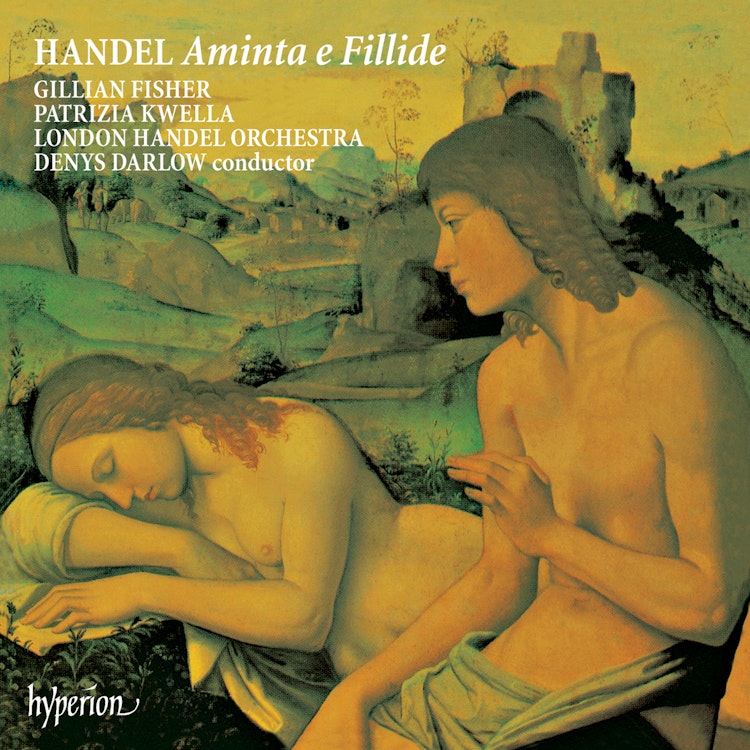
Aminta e Fillide was composed for a special occasion in 1708, a contribution to the celebrations of the Arcadian Academy, not one of Ruspoli's regular Sunday gatherings.
Composition History
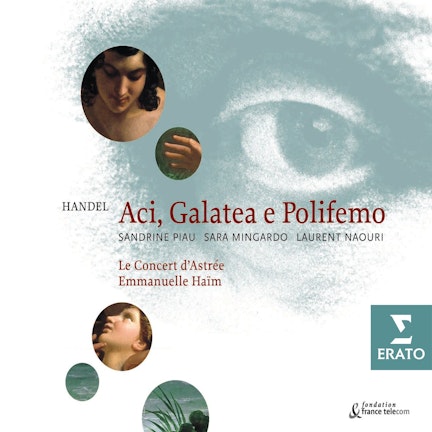
During his three-and-a-half years in Italy, Handel composed two operas, Rodrigo and Agrippina, and an extended cantata, Aci, Galatea e Polifemo.
Historical Context
The Arcadian Academy, founded in honor of Queen Christina of Sweden, aimed to reform the pastoral literary style to a simpler mode based on Aristotle's rules.
Composition History
Handel's most significant Roman patron was the Marquis Ruspoli, who employed him for three extended periods in 1707/8 and required a new secular cantata each week.
You might also enjoy...
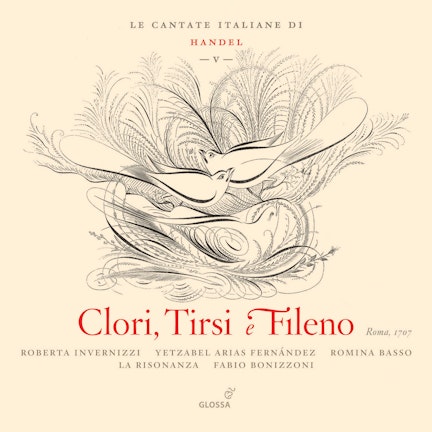
Handel, G.F.: Cor Fedele (Clori, Tirsi E Fileno)
Telemann: Die Tageszeiten
J. S. Bach: Köthener Trauermusik BWV 244a
Bach: Kantaten BWV 36b, 134a
Johann Sebastian Bach: Secular Sources of the Christmas Oratorio I