Handel's sonatas often reuse musical ideas from his other vocal and instrumental works, sometimes with variations in rhythm, meter, harmony, and tempo, applied to different expressive contexts.
Historical Context
The term 'solo' in Handel's time emphasized both the soloist's prominence and the genre's uniqueness within instrumental music.
Composer's Artistic Vision
Handel's instrumental music, despite its relatively small quantity compared to his contemporaries, is deeply infused with his theatrical genius.
Interpretation
The varied textures of the basso continuo and the use of different instruments, such as lute for tenderness, organ for austerity, and harpsichord for brightness, help convey emotions and narrative, similar to theatrical practice.
Composition History
Handel composed these sonatas from 1717 onwards, specifically between 1724 and 1728, coinciding with his major opera productions for the Royal Academy like Giulio Cesare, Tamerlano, and Rodelinda.
Compositional Technique
The sonatas generally follow the sonata da chiesa model of four movements (slow-fast-slow-fast), though some, like HWV 365 in C major, feature dances, and HWV 367a in D minor has seven movements.
Historical Context
In the early 18th century, the sonata for solo instrument and basso continuo was a key genre in Italian style, with Arcangelo Corelli's Sonate a violino e violone e cimbalo (1700) setting a widely imitated formal model.
You might also enjoy...
Sounds Familiar
Quantz: Flute Concerto, QV 5.174
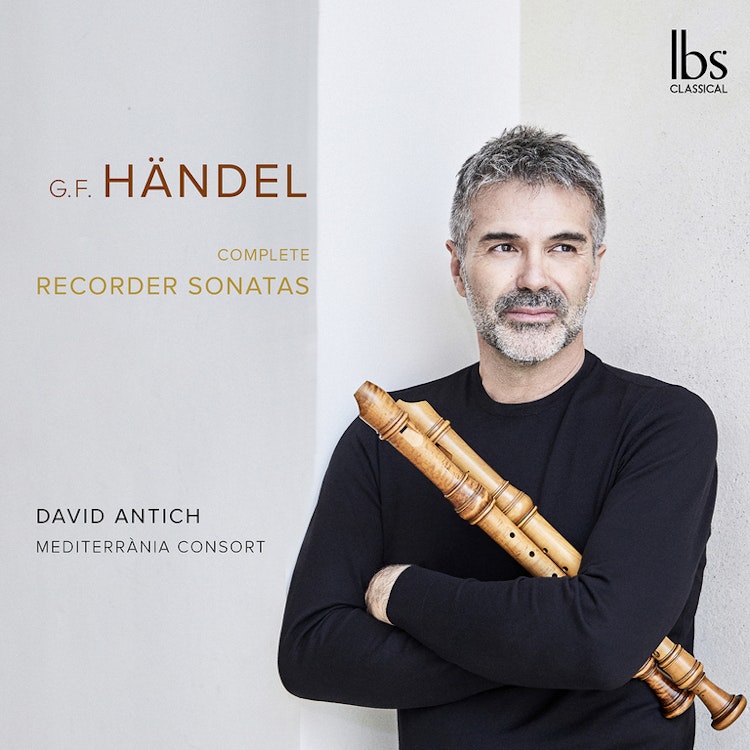
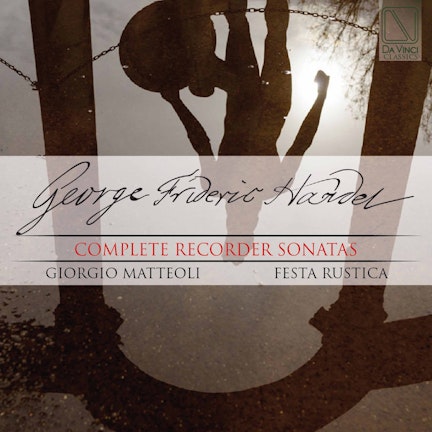
George Frideric Handel: Complete Recorder Sonatas
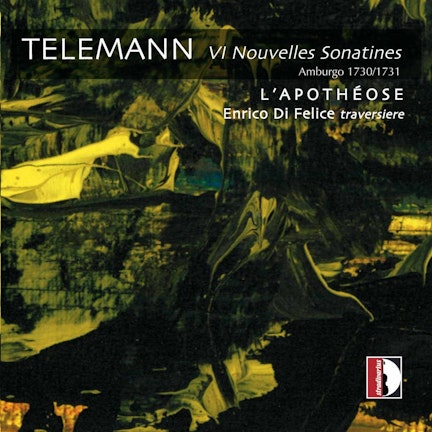
Telemann: 6 Nouvelles sonatines
Italian Sonatas 1730: Remembering Naples & Venice
Barock Traverse Flute
Concordi Musici
Prussian Blue: Flute Music at the Court of Frederick the Great
Tessarini: Sei Sonate op. 14 · Il Piacier delle dame