Handel's organ concertos were originally conceived as interludes for his English-language oratorios, which he began to focus on after the decline of his Italian opera seria.
Critical Reception
Handel's Opus 4 organ concertos were incredibly popular, republished at least 13 times by 1770, often for solo keyboard, indicating they were played at home as frequently as Haydn and Clementi sonatas.
Compositional Technique
Two of Handel's concertos, HWV 295 ('The Cuckoo and the Nightingale') and HWV 296a, feature onomatopoeic imitations of bird calls, specifically the cuckoo and the nightingale.
Interpretation
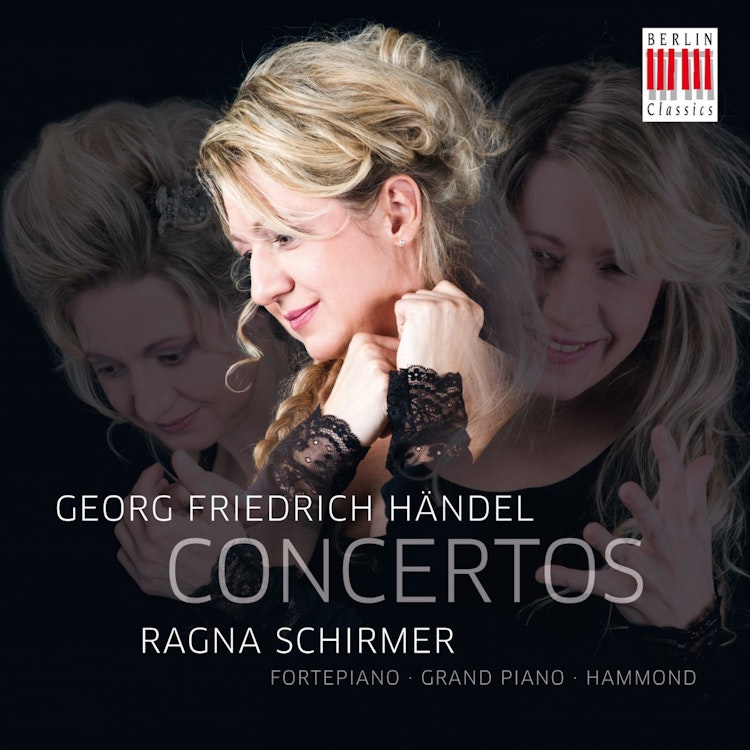
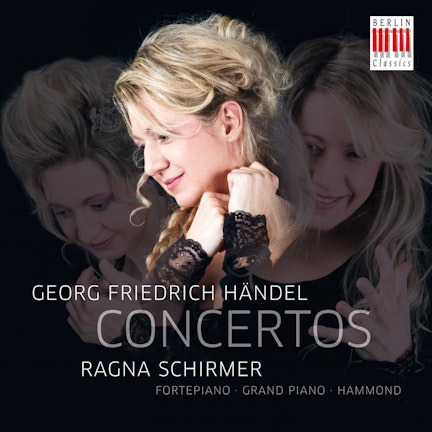
Pianist Ragna Schirmer aims to show the timelessness of Handel's compositions by performing them on a range of instruments, from an 18th-century fortepiano to a 1957 Hammond B3 organ.
Compositional Technique
Handel's organ concertos often include sections marked 'Adagio' or similar, with minimal notation, allowing for significant improvisation by the performer, a practice common in jazz.
Composer's Artistic Vision
Handel's organ concertos were designed to compete directly with the vocal performances of the famous castrato Farinelli, with the organ's sound challenging the ideal of the human voice.
You might also enjoy...
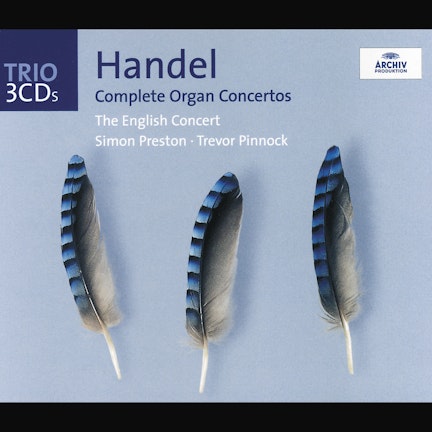
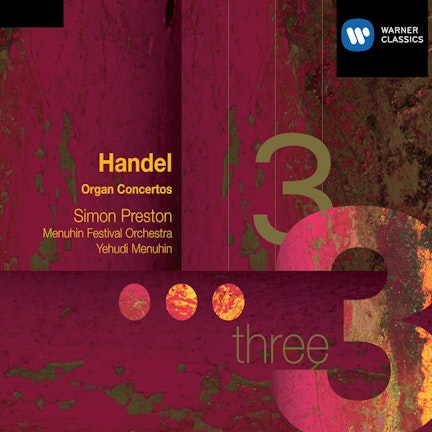
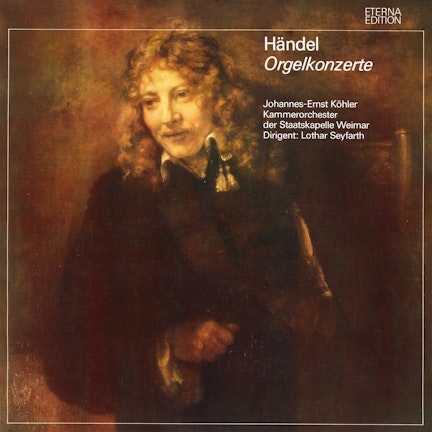
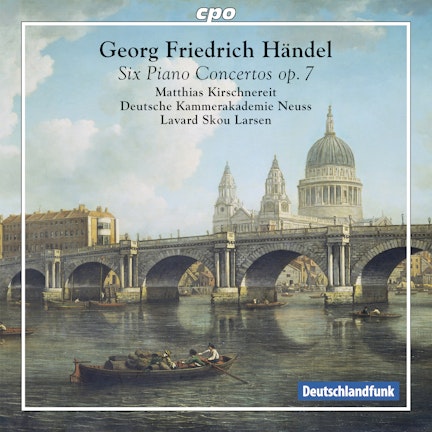
Handel Organ Concertos Op.7
Handel - Organ Concertos Op.7 etc
Handel: Organ Concertos
Handel: Concertos
Handel: 16 Organ Concertos
Handel, G.F.: Organ Concertos, Op. 4, Nos. 2, 4, 5 and Op. 7, No. 4