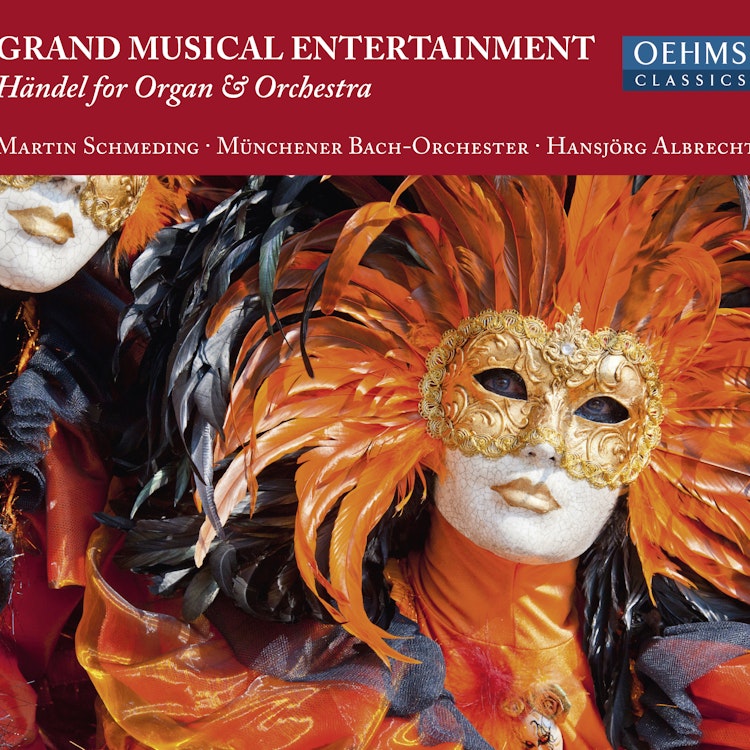
Handel: Grand Musical Entertainment – New Concertos for Organ & Orchestra (Arr. H. Albrecht)
7/3/2015, 29 Tracks, 1:19:16
Featuring
Hansjörg Albrecht
Martin Schmeding
Münchener Bach-Orchester
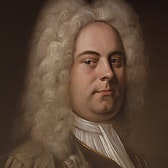
George Frideric Handel
Did you know?
1/7
Composition History
Handel shifted from Italian opera to English oratorios and organ concertos in the 1730s due to changing public taste and competition from other composers like Nicolai Porpora, who enticed away his singers.
Compositional Technique
Unlike Bach's solo organ works, Handel's organ compositions were primarily for organ and orchestra, performed in conjunction with his oratorios, and required a solo instrument that could assert itself against a large orchestra.
Compositional Technique
For his 1738 oratorio Saul, Handel used a lavish orchestral ensemble including two trumpets, three trombones, a harp, large kettledrums borrowed from the Tower of London, and a glockenspiel.
Recording & Production
This album features new organ concertos assembled from Handel's oratorio Saul, arranged for organ and orchestra, and includes two of Handel's most famous works, The Arrival of the Queen of Sheba and Music for the Royal Fireworks, transcribed for organ.
Composer's Artistic Vision
Handel used the organ in his oratorio performances as a counterpart to the seductive vocal art of Italian castrati, such as Farinelli, who was a popular soprano castrato in London.
Composer Biography
Handel received his first organ lessons from Wilhelm Zachow at the Marktkirche in Halle, where he played a small but sonorous organ built by Georg Reichel in 1663/64.
Performer Biography
Hansjörg Albrecht, the conductor and organist on this recording, is the artistic director of the Munich Bach Choir & Bach Orchestra and has been nominated for a GRAMMY Award for his recording of Holst's The Planets.
You might also enjoy...
Telemann, G.P.: Overture (Suite) in D Major / Pfeiffer, J.: Viola Da Gamba Concerto / Graun, J.G.: Viola Da Gamba Concerto in D Major