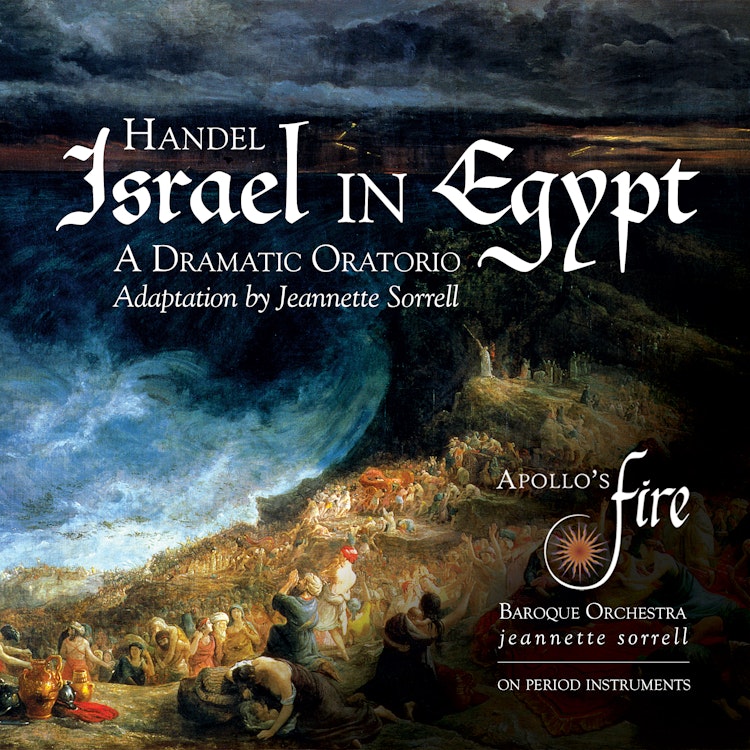
Handel revised Israel in Egypt to make it more appealing to audiences by eliminating the lament, emphasizing the triumph of the Israelites, and adding solo arias.
Cultural Impact
Handel's oratorios, including Israel in Egypt, notably depict Jews as triumphant heroes, challenging the prevailing prejudices of 18th-century society.
Critical Reception
Handel's revisions to Israel in Egypt were successful, and by the 19th century, the piece was a hit, with the earliest known recording being an 1888 performance featuring a chorus of 4,000.
Critical Reception
Handel's oratorio Israel in Egypt initially flopped at its 1739 premiere because audiences were accustomed to famous soloists, not mostly choral music based on Old Testament texts.
Composition History
Handel turned to composing dramatic, unstaged works on religious themes in English, known as oratorios, to appeal to a wider English audience and for lower production costs.
Composition History
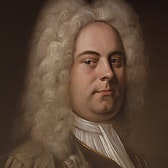
Handel, a German composer living in England, was the preeminent composer of Italian operas in the 1730s, but faced competition and had to cancel his opera season in 1739.
Interpretation
Jeannette Sorrell, the conductor of Apollo's Fire, created a new adaptation of Israel in Egypt for this recording, restoring the original 1739 Lament while trimming other parts for modern audiences.
You might also enjoy...
Handel: Samson
Handel: Great Choruses from the Messiah
J.S. Bach: Christmas Oratorio, BWV 248, Pt. 1: No. 1, Jauchzet, frohlocket, auf, preiset die Tage