The original chorus for the Dublin performances of Messiah likely consisted of no more than three or four voices per part, as suggested by Donald Burrows' analysis of cathedral choir lists.
Compositional Technique
The Dublin version of 'How beautiful are the feet' replaces the original aria with a duet for two altos and chorus, adapting the work for the available vocal forces, particularly the adept male cathedral choir singers.
Recording & Production
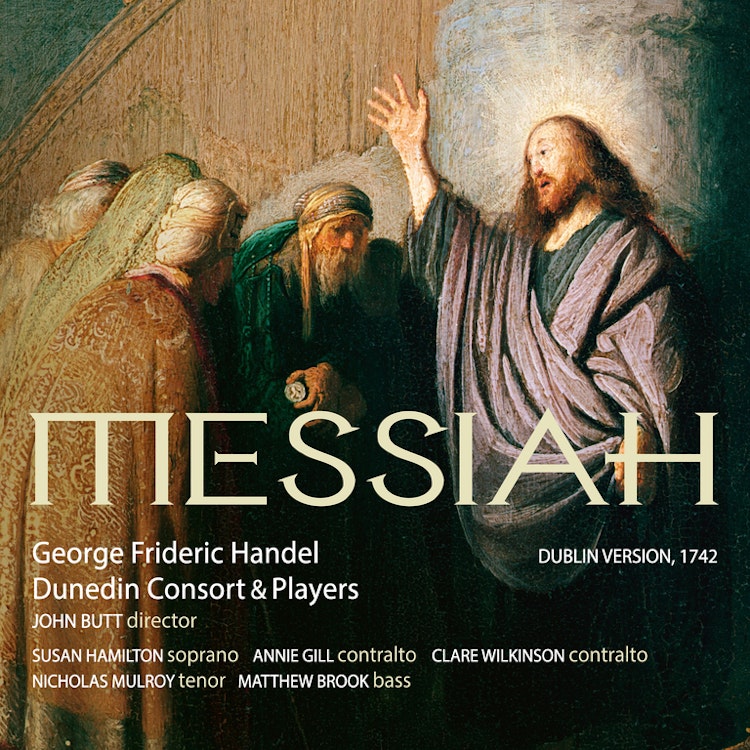
The Dunedin Consort's recording of Messiah uses performing materials from the Center for Computer Assisted Research in the Humanities (CCARH) at Stanford University, adapted for the Dublin version by John Butt.
Compositional Technique
Handel transposed several arias for Mrs. Susannah Cibber in the Dublin version, including 'He shall feed His flock' and 'If God be for us,' giving her the final aria usually reserved for the leading soprano.
Interpretation
This recording aims to recapture the freshness of the first public performances of Messiah, imagining the unexpectedness of hearing it for the first time.
Composition History
Handel's Messiah was adapted for each production, with around ten discernible versions, as he composed it without specific performers in mind.
Historical Context
The Dublin premiere of Handel's Messiah in 1742 featured Mrs. Susannah Cibber, an outstanding actress returning to public life after a scandal, whose expressive performances were highly valued despite her singing expertise.
You might also enjoy...
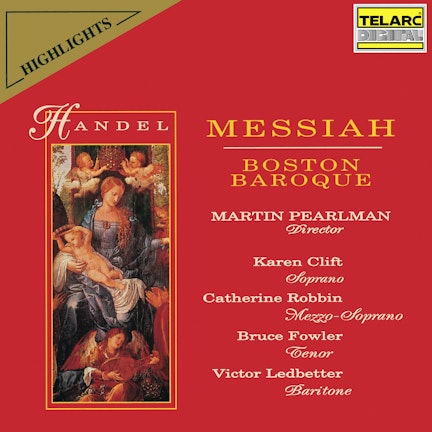
Handel: Messiah, HWV 56 (Highlights)
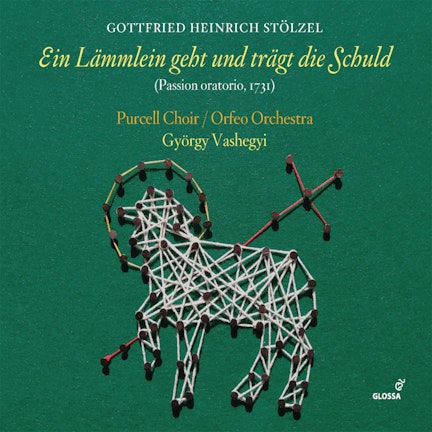
Stölzel: Ein Lämmlein geht und trägt die Schuld
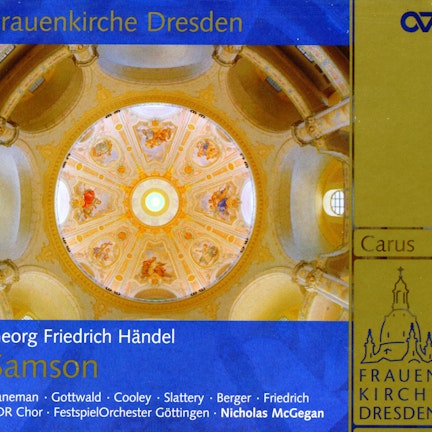
Handel, G.F.: Samson [Oratorio] (Mcgegan)
Händel: Messias
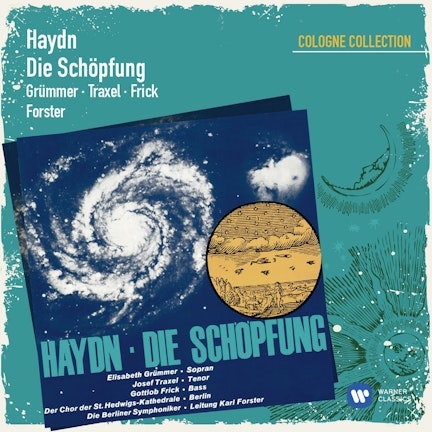
Haydn: Die Schöpfung
Haydn: Die Schöpfung - Sung in German [The Creation]
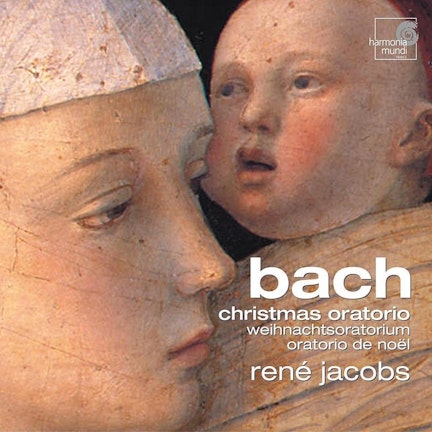
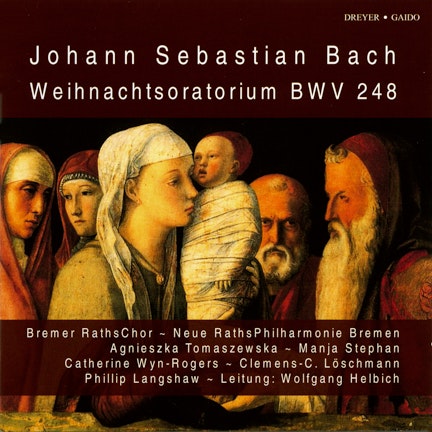
J.S. Bach: Christmas Oratorio
Handel: Messiah - Highlights
Bach: Christmas Oratorio
Handel: Messiah HWV56
Handel: Messiah Highlights
Haydn, F.J.: Schopfung (Die) (The Creation) [Oratorio]